

KilimanjaroRongai Route
A Photographer’s Journey Up Kilimanjaro’s Quiet Northern Face
Let your lens discover new horizons.
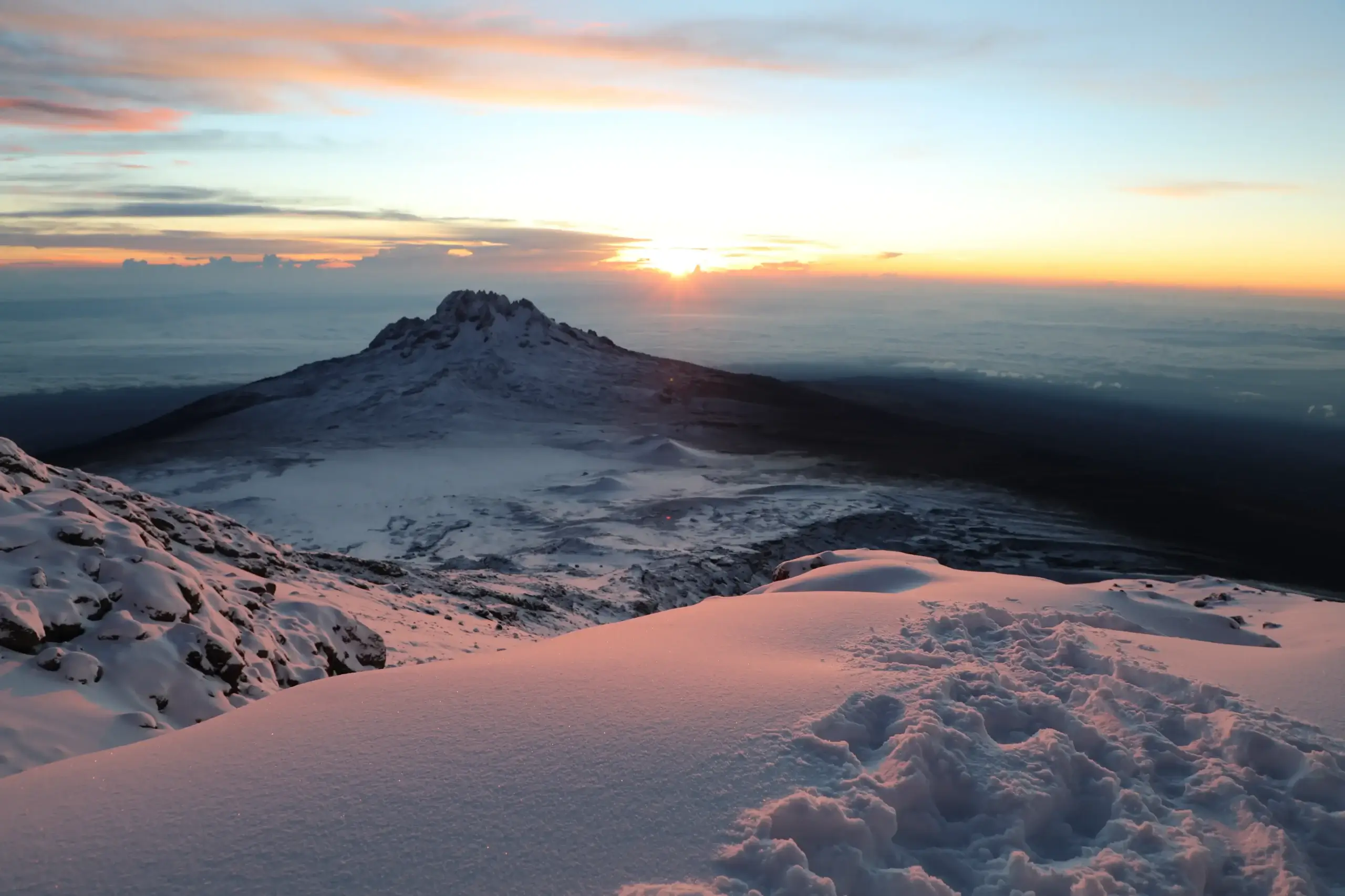
The Rongai Route is Kilimanjaro’s serene northern ascent a path where the mountain reveals itself with calm confidence, rising through remote wilderness untouched by the bustle found elsewhere. Beginning just south of the Kenyan border, the approach unfolds in quiet, open landscapes: rolling fields, sparse acacia trees, open sky, and long, gentle trails that feel like a slow-motion introduction to Africa’s highest mountain.
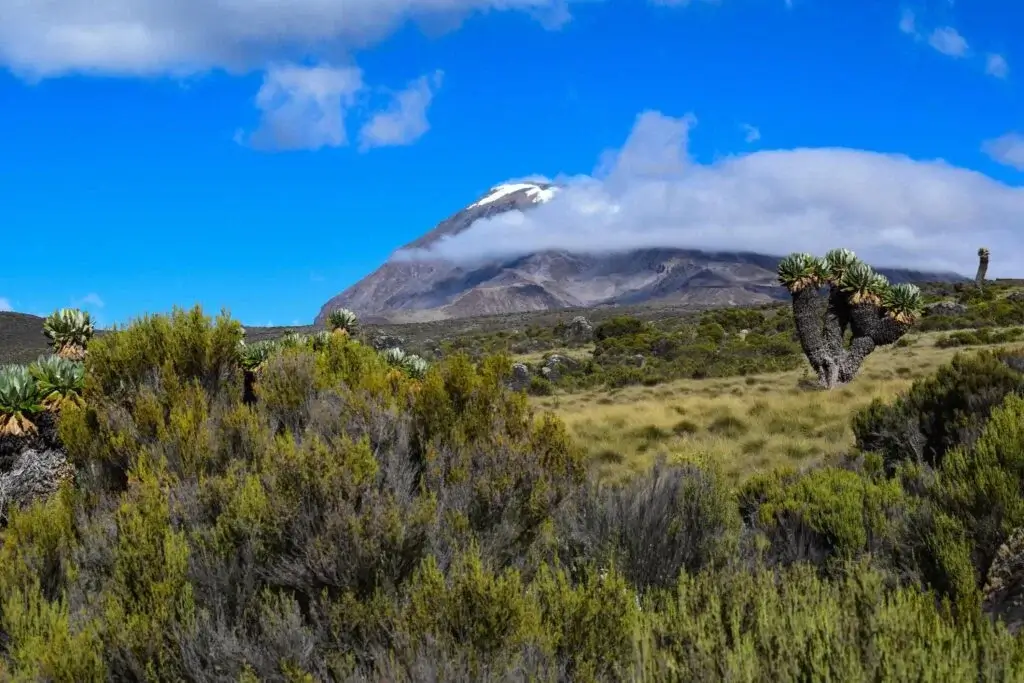
As you move higher, the scenery shifts dramatically. The savannah-like lower slopes give way to moorlands brushed with heather and giant lobelias, and as you rise toward Mawenzi Peak Kilimanjaro’s rugged eastern sibling you enter a world of stark volcanic drama rarely seen on other routes. The contrast between Mawenzi’s jagged spires and Kibo’s smooth dome creates visual storytelling at every turn. By the time you approach the summit, having crossed quiet trails, high-altitude deserts, and lunar landscapes, the mountain rewards you with panoramic views that feel wide, wild, and cinematic.
Why Rongai Route Is A Favourite For Photographic Opportunity
The Rongai Route is great for photographers because it offers wide, open views, bright northern light, and a chance to photograph Kilimanjaro from a side that many people never see. Since it is less popular than the southern routes, photographers get new and unique angles of the mountain.
The best part? It’s quiet
The northern side has very few climbers, so you can take photos without people in your shots. You get more space, cleaner frames, and more time to set up your perfect picture. The light here is also clearer and brighter because there are fewer thick forests. This makes sunrise and sunset especially beautiful. The landscapes change every day, giving you new colours, new shapes, and new scenes to capture almost like watching a story unfold through your camera.
Uncrowded Frames
The Rongai Route is the most peaceful trail on the mountain. With fewer climbers, photographers enjoy pristine paths, solitary silhouettes, and endless space to frame the mountain and its massive northern plains without distraction.
Daily Shifts in Landscape & Colour Palette
Rongai delivers bold but gradual changes in scenery:
- Warm earthy tones of the lower slopes
- Silvery greens of heather zones
- Stark, dusty greys of the alpine desert
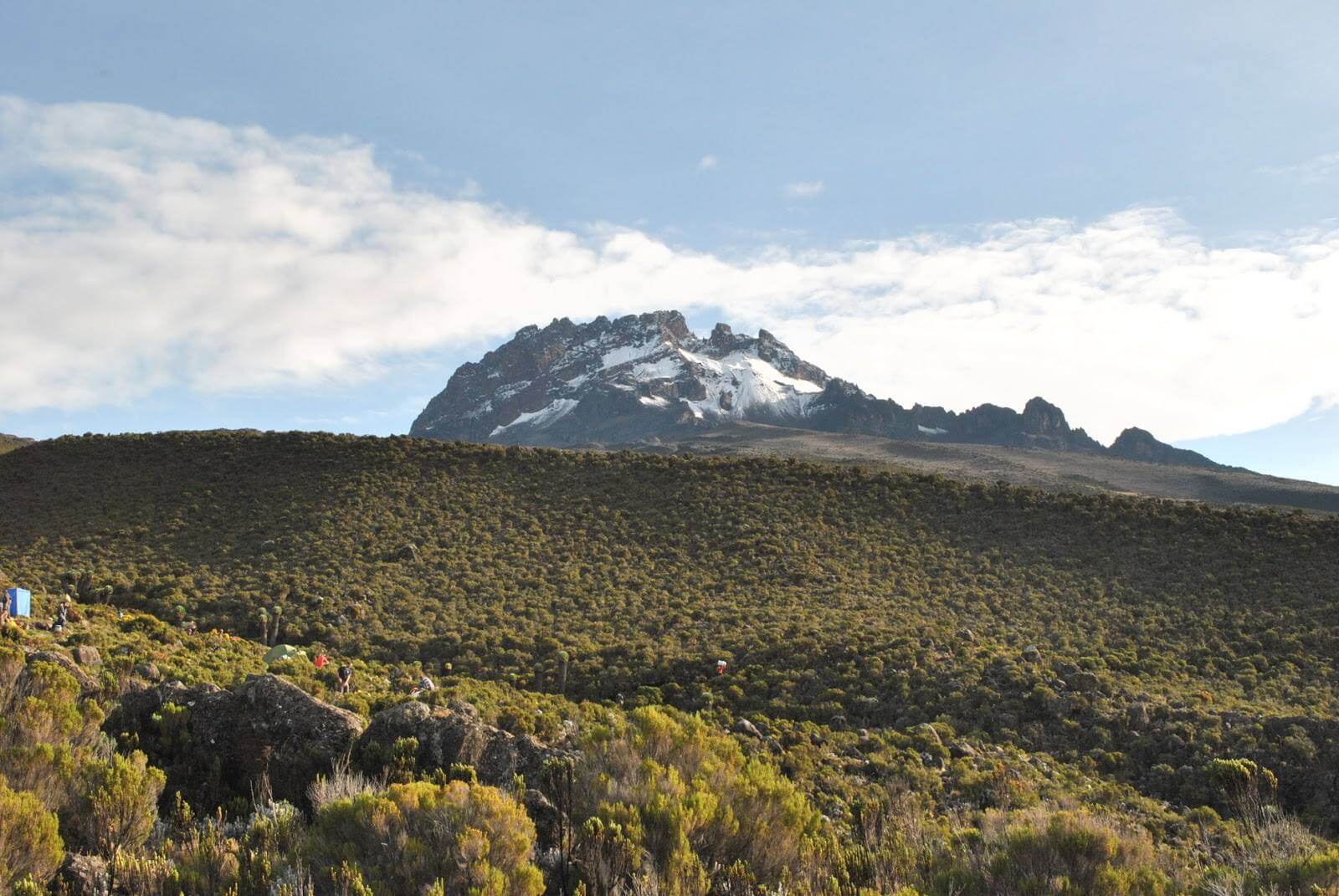
- Shadowed volcanic ridges beneath Mawenzi
- Bright whites and deep blues near the summit
Each zone brings a new mood and colour story:
- Warm browns & open light of the northern foothills
- Soft greens & textured heather on the mid-slopes
- Hard blacks & orange glow near Mawenzi
- Pale deserts & sharp shadows at high altitude
- Bright whites & icy blues on the final ascent
Mawenzi Peak — A Dramatic Bonus
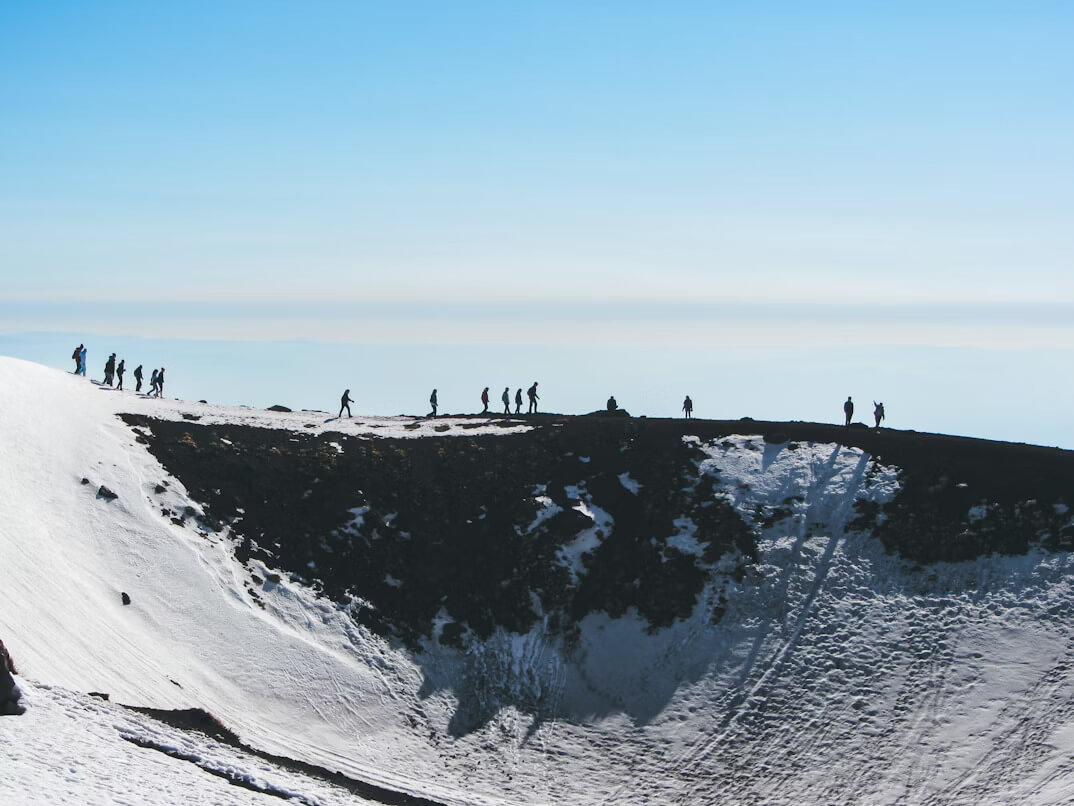
Rongai’s signature feature is the striking view of Mawenzi, a jagged volcanic peak that looks carved by ancient fire. Its sharp ridges create dramatic contrast against the smooth dome of Kibo, offering photographers some of the most atmospheric landscapes on any Kilimanjaro route.
Wildlife Encounters Early in the Trek
The northern side has a reputation for wildlife sightings more so than any other route.
Expect:
- Colobus monkeys
- Bushbuck
- Forest birds
- Occasional smaller antelopes
Route Duration — Standard Climbing Vs. Photographic Climbing
The Rongai Route typically takes 6-7 days, but for photographers, the difference between these two options is significant.
Standard Duration (7–8 Days)
Most climbers choose the 7-day version because it:
- Improves acclimatization
- Ensures higher summit success
- Offers a steady, comfortable pace
Photographic Duration (Recommended: 7 Days Minimum)
For photographers, time equals opportunity.
A 7-day climb offers:
- More sunrise and sunset chances across diverse landscapes
- Space to stop, compose, and experiment
- Flexibility to wait for perfect light
- Less physical strain, keeping creativity high
A Journey Through Five Distinct Climatic Zones
Each zone offers a unique visual identity:
Northern Slopes
This area is wide and open, covered with golden grasslands, and has big skies that make photos feel calm and full of story.
Heather & Moorland Zone
Here you see soft, mossy heathers shaped by strong mountain winds, tall giant lobelias, and gentle mist that creates a beautiful, dreamy atmosphere.
Mawenzi Region
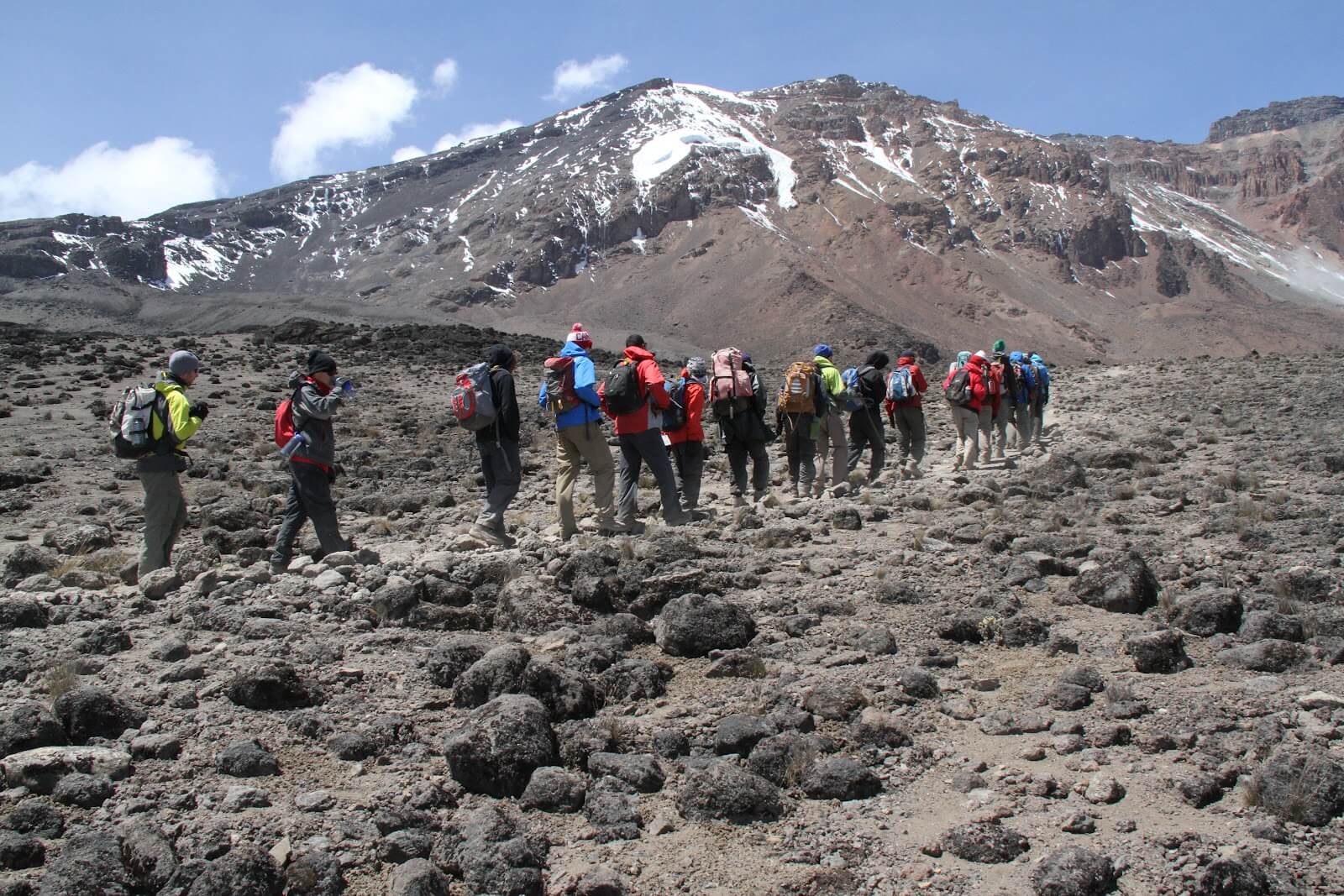
This region has sharp volcanic spikes, deep shadows, and strong silhouettes that give the place a dramatic and powerful mountain mood.
Alpine Desert & Summit Zone
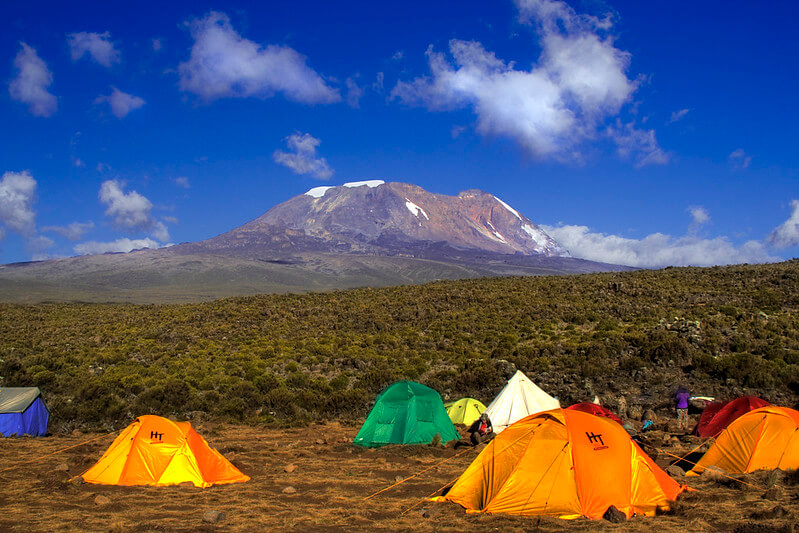
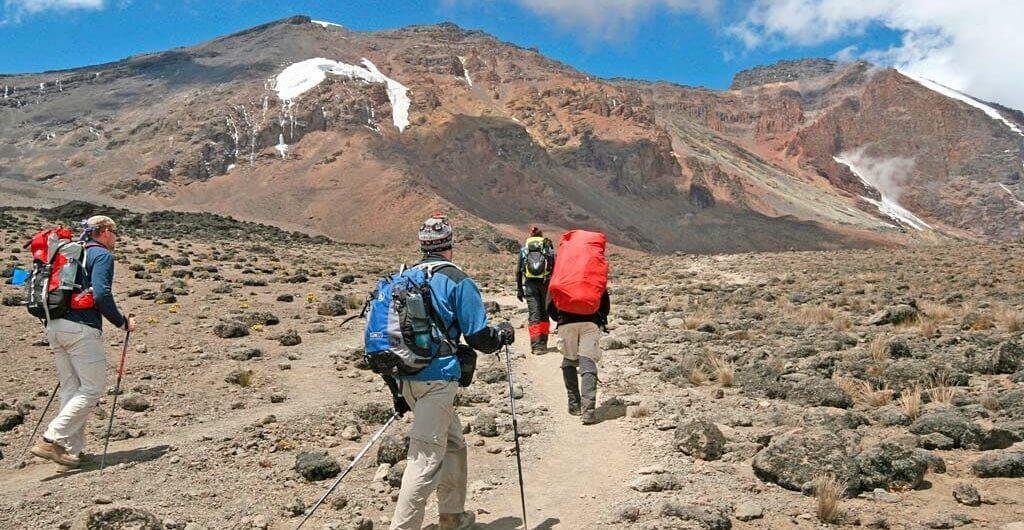
At this point the light is bright and clear, the land looks rough and simple, and white glaciers shine under a deep blue sky.
Rongai Forest & Wilderness Zone
The lower section of the Rongai Route offers a quiet, less-traveled forest filled with soft morning light, evergreen canopies, and peaceful mountain paths.
Photographic Spots Along The Rongai Route Photographers’ Favorites
Simba Camp Area
Your journey begins with sweeping views of the northern plains perfect for big landscapes and warm, dusty tones.
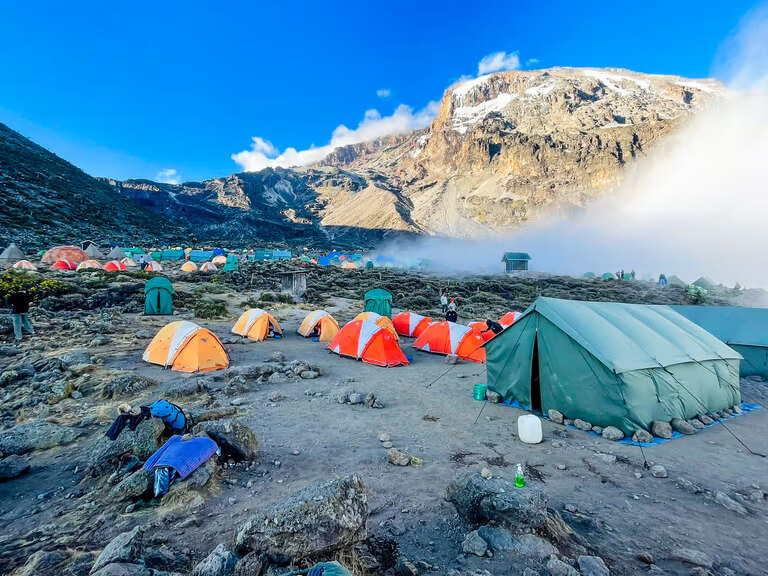
Second Cave
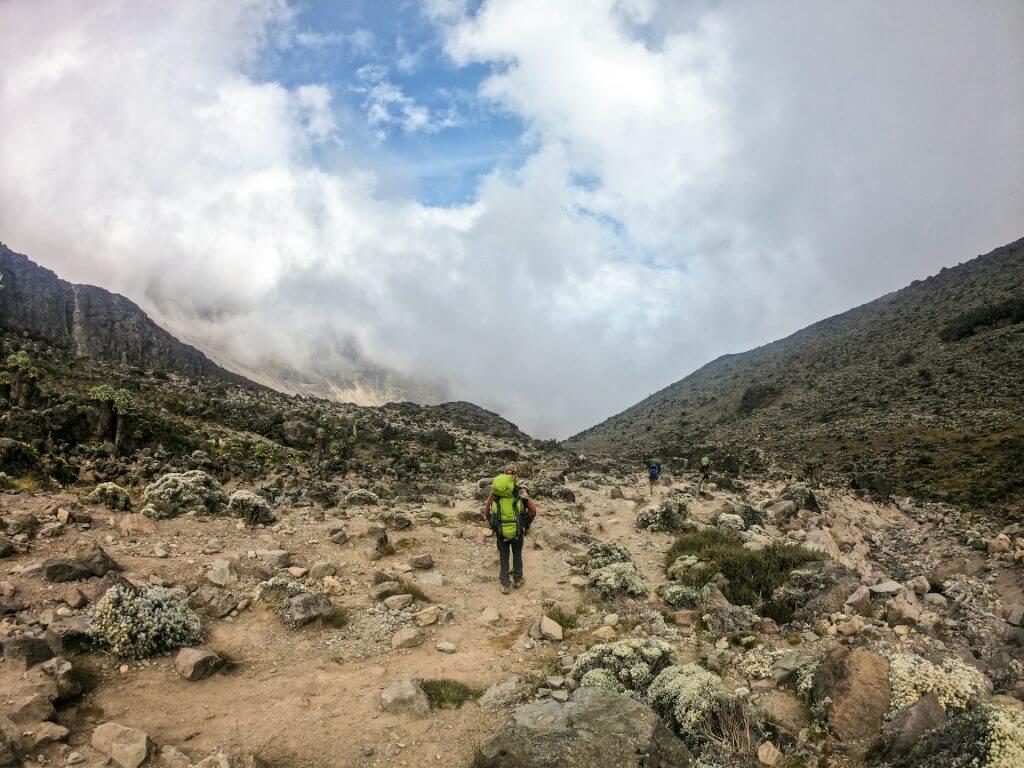
Iconic for its wide open frames and early glimpses of Kibo. This spot is ideal for portraits of hikers against vast horizons.
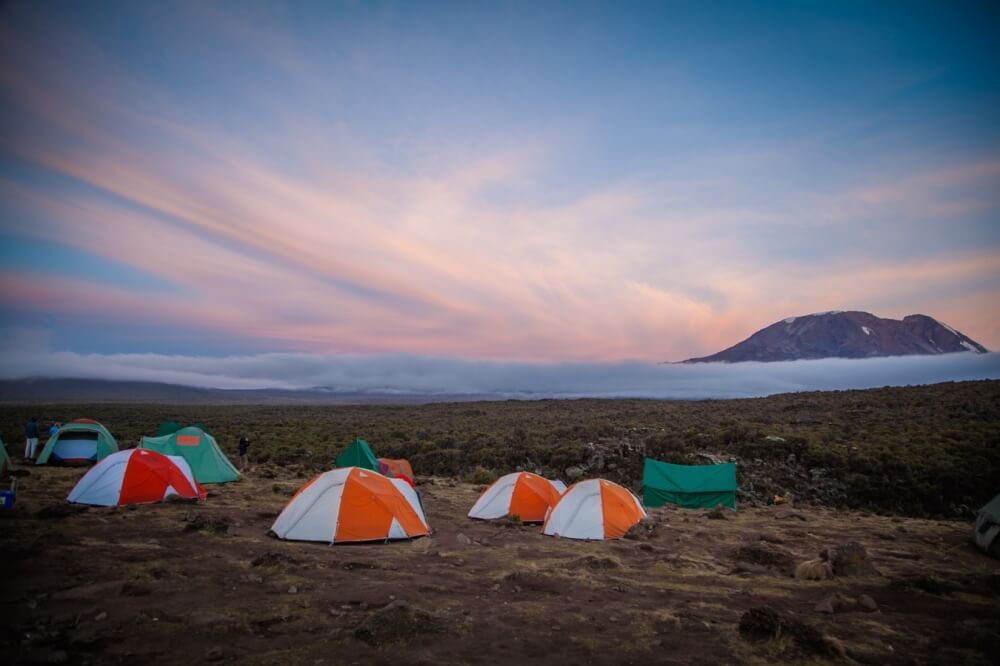
Kikelewa Camp
Rolling hills, layered ridges, and rich heather textures make this an excellent location for mood-filled landscapes.
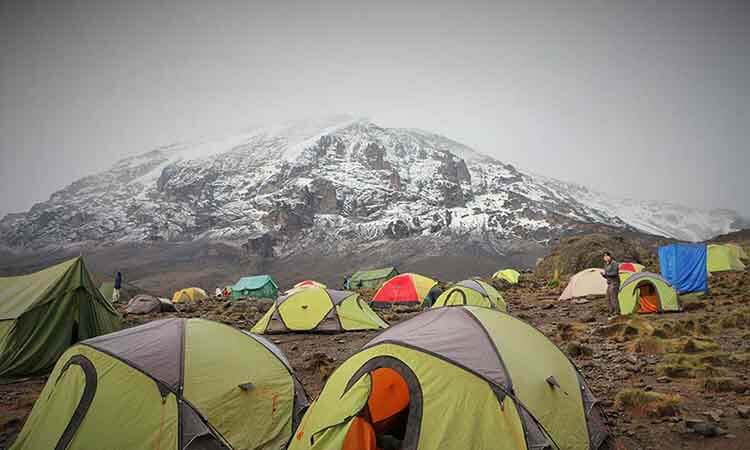
Mawenzi Tarn
A photographer’s dream. A small alpine lake sits beneath Mawenzi’s jagged spires, creating reflections, silhouettes, and dramatic volcanic compositions.
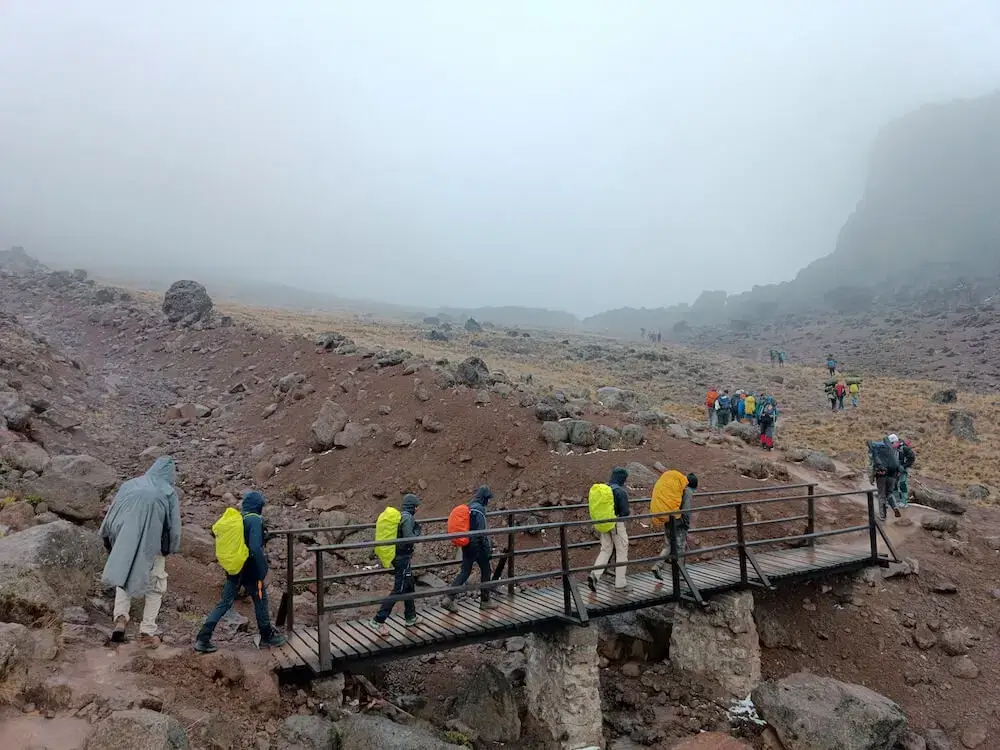
The Saddle
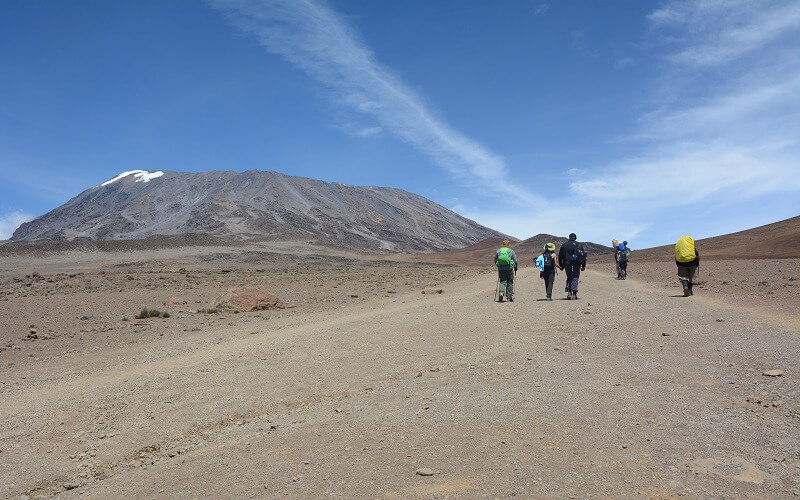
This high-altitude desert stretch between Mawenzi and Kibo feels like walking on a lunar plain minimalist, vast, and visually striking.
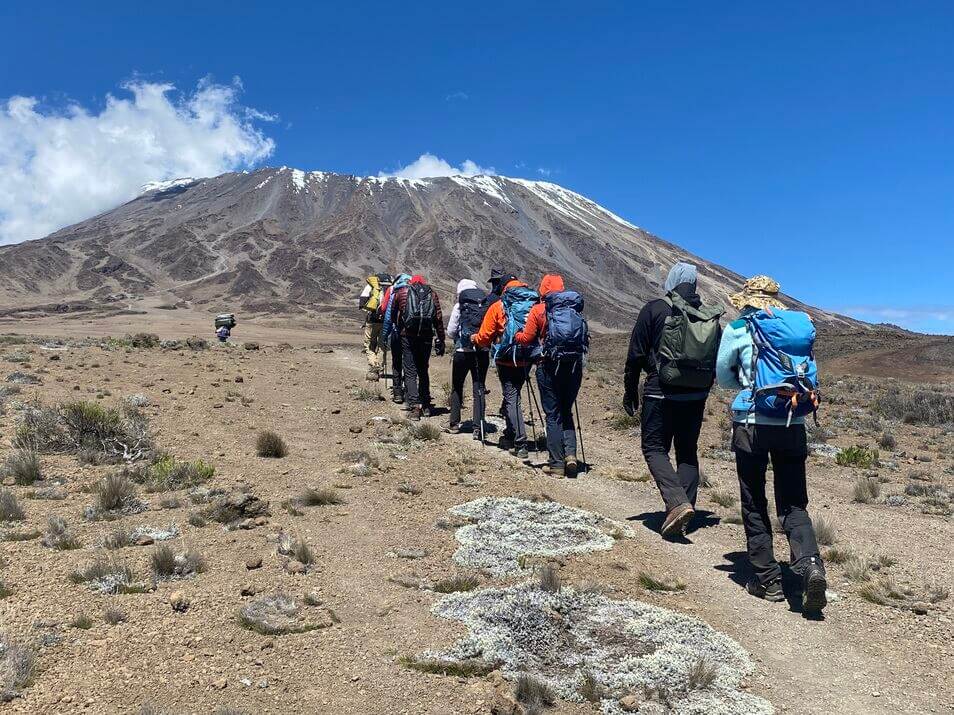
Kibo Hut Area
Perfect for capturing the stark beauty of the high desert and prepping for summit-night astrophotography.
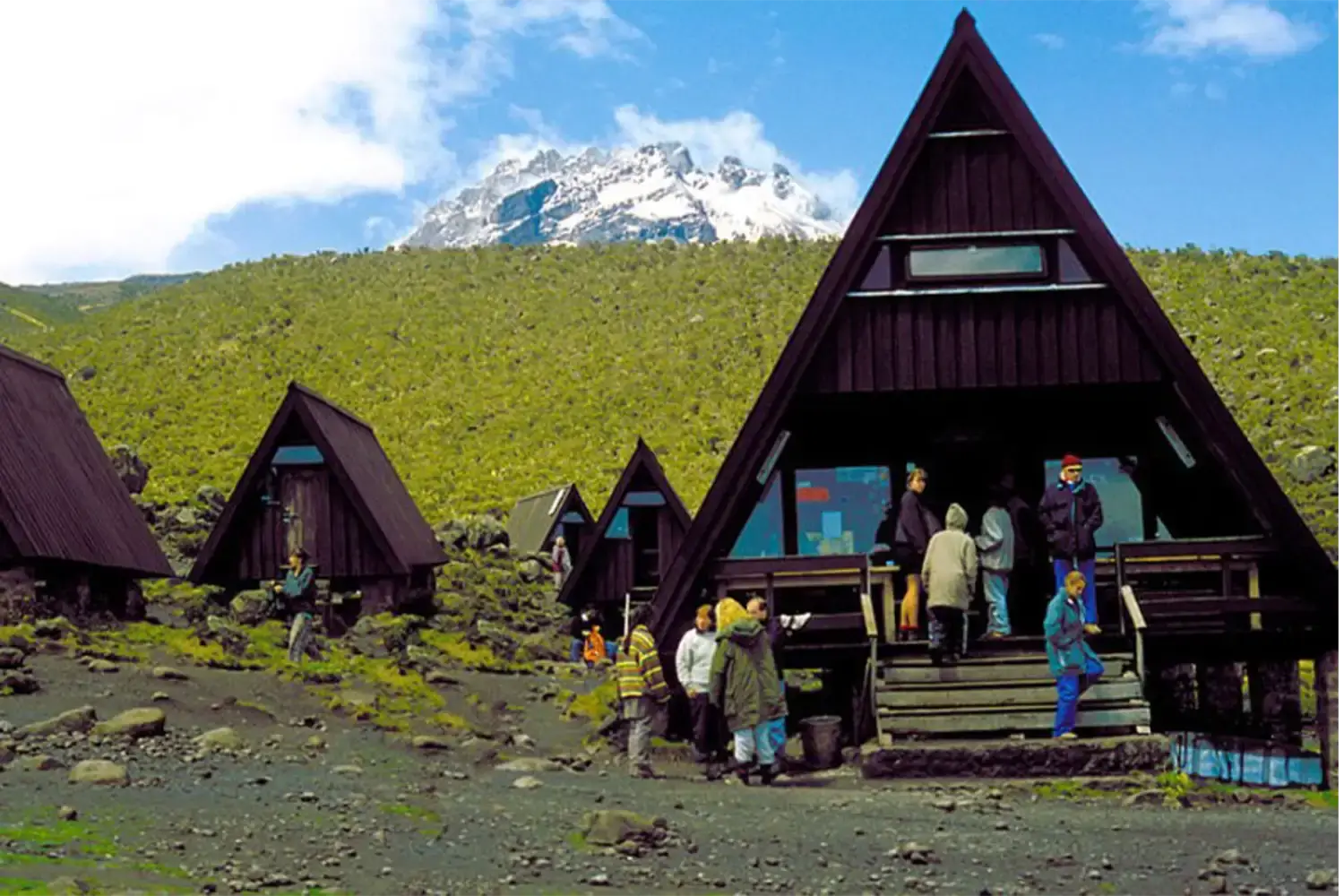
Uhuru Peak
The summit rewards you with:
- Glacial sculptures
- Golden morning glow
- Endless views over Africa
- Once-in-a-lifetime compositions every photographer dreams of capturing
Ready to capture the Unique Flavour of Africa
Talk to one of our travel specialists to tailormake Safari