
Kilimanjaro
Trekking Routes
Tanzania

Explore the Majestic Kilimanjaro – Discover Your Perfect Trekking Route

Journey to the Roof of Africa

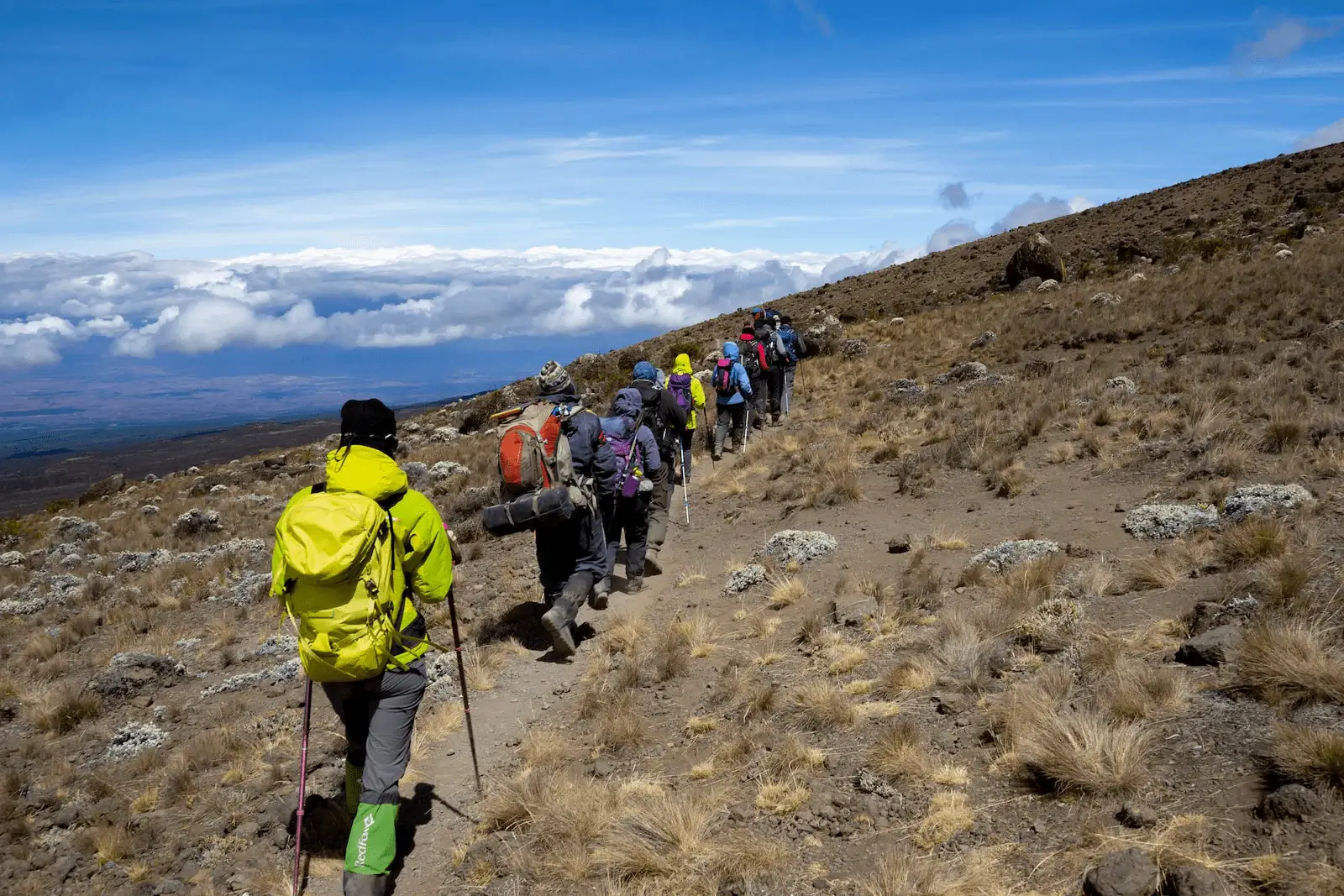
Climbing Mount Kilimanjaro is one of the world’s greatest trekking adventures, and choosing the right route is the key to a successful summit. Africa’s highest peak offers several official trekking routes, each with its own scenery, difficulty level, acclimatization profile, and overall trekking experience. Whether you’re a first-time hiker, an experienced mountaineer, or a photographer searching for the most dramatic landscapes, Kilimanjaro has a route designed for every type of traveler.

From lush rainforest and volcanic ridges to sweeping moorlands and icy summit glaciers, every route reveals a different side of the mountain. Some paths offer quiet wilderness and few crowds, while others provide steady acclimatization, comfortable pacing, and higher summit success rates. On this page, you’ll find a clear overview of all major Kilimanjaro trekking routes to help you choose the option that matches your fitness level, trekking goals, and preferred experience.

Why Your Kilimanjaro Route Choice Determines Your Success

01
Every Route Has a Different Difficulty Level
Kilimanjaro’s routes vary in steepness, trail conditions, and daily hiking hours.

Knowing this helps you choose a route that matches your fitness, experience, and comfort level whether you prefer a gentle acclimatization path or a more direct, challenging ascent.
02
Route Choice Affects Acclimatization & Summit Success
Acclimatization is the most important factor for reaching Uhuru Peak. Some routes offer slow, steady altitude gain with higher success rates, while others are fast and demanding. Choosing the right route increases your chances of a safe and successful summit.
03
Each Route Offers a Unique Experience & Scenery
From the rainforest of Machame to the northern solitude of the Northern Circuit and the dramatic barranco landscapes of Lemosho, every route has its own photographic views, landscapes, and atmosphere.

Understanding the differences lets you match the experience to your goals scenery, privacy, or challenge.

not sure which Kilimanjaro route is best for you?

If you’re a beginner or simply want expert guidance, chat with our Kilimanjaro trekking specialist today. We’ll help you compare all routes and choose the perfect path to match your fitness, comfort, and summit goals.

Your journey starts with the right advice talk to our expert now!

Frequently Asked Questions

How many routes are there on Mount Kilimanjaro?

There are six main trekking routes used to reach the summit of Kilimanjaro: Machame, Lemosho, Marangu, Rongai, Umbwe, and Northern Circuit. Each route offers different scenery, difficulty levels, and acclimatization profiles.

The Northern Circuit Route currently has the highest summit success rate because it is the longest route, offering excellent acclimatization time. Lemosho and Machame also have very good success rates.

The Marangu Route is considered the easiest in terms of walking terrain. It is the only route with hut accommodations, making it popular for beginners. However, its shorter duration offers less time for acclimatization.

The Lemosho Route and the Northern Circuit Route are widely considered the most scenic due to panoramic views, low crowds, and diverse landscapes.

For beginners, the best routes are:

  • Lemosho Route (8 days) – Best combination of scenery, acclimatization, and success rate
  • Machame Route (7 days) – Very scenic and well-paced
  • Marangu Route (6 days) – Easiest trail terrain with hut accommodation

If you are a first-time climber, chat with our Kilimanjaro experts, and we’ll help you choose the safest and most suitable route.

The Umbwe Route is the steepest and most challenging. It is recommended only for experienced trekkers who are comfortable with rapid altitude gain.

The Northern Circuit Route (9–10 days) is the longest route, circling the mountain before summiting. It provides the best acclimatization and the highest success rate.

The Umbwe Route (6 days) and the Marangu Route (5–6 days) are the shortest. However, shorter climbs often lead to lower summit success due to limited acclimatization time.

The Northern Circuit and Rongai routes are the least crowded, offering quieter trails and a more private climbing experience.

Yes:

  • Marangu Route offers hut accommodations.
  • All other routes (Machame, Lemosho, Rongai, Umbwe, Northern Circuit) use tented camping.

Selecting the best route depends on your:

  • Fitness level
  • High-altitude experience
  • Travel duration
  • Budget
  • Preference for scenery or solitude

If you are unsure, speak with our Kilimanjaro trekking experts, and we will guide you toward the perfect route based on your experience and goals.

The Rongai Route is the best during the wetter months because it receives the least rainfall and has a drier, easier approach from the north.

Children aged 10 and above can climb Kilimanjaro, but the chosen route should be gradual and well-paced—Lemosho or Northern Circuit are ideal.

Yes. All routes require park entry permits, camping fees, rescue fees, and guide fees. These are usually included in your trekking package.

All official routes are safe when done with licensed guides. Longer routes provide better acclimatization and significantly reduce the risk of altitude sickness.

On the trails of Kilimanjaro, your camera becomes the link between the climb you experience and the

memories you take home.

Walking through changing landscapes is more than just a trek upward—it’s a chance to pause, notice the details, and connect with the mountain in its purest form.

Each shift of mist, each touch of morning light on the ridges, and every step through rainforest, moorland, and alpine desert offers a moment worth capturing. Kilimanjaro teaches you to look closer, feel the journey more deeply, and turn brief encounters with nature into lasting visual stories.

Ready To capture the Unique Flavour of Africa

Talk to one of our travel specialists to tailormake Safari