

KilimanjaroLemosho Trekking
A Photographer’s Ascent to Kilimanjaro’s Wild Western Face
Let your lens discover new horizons.
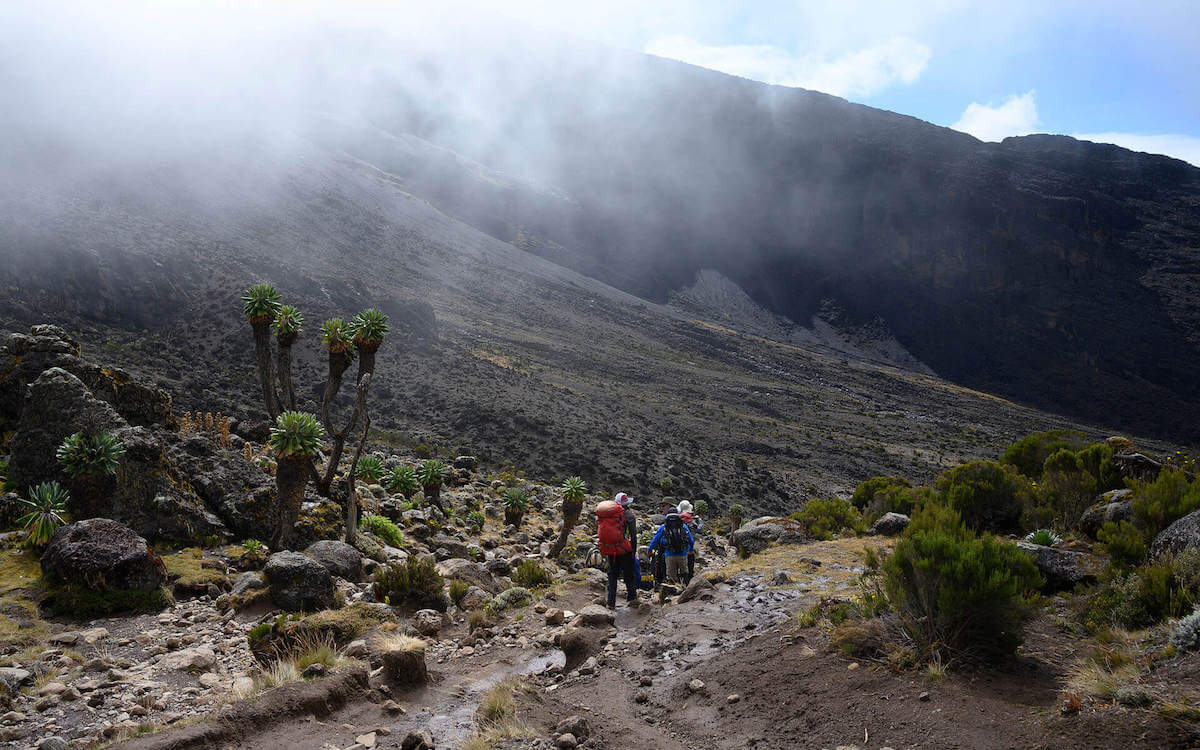
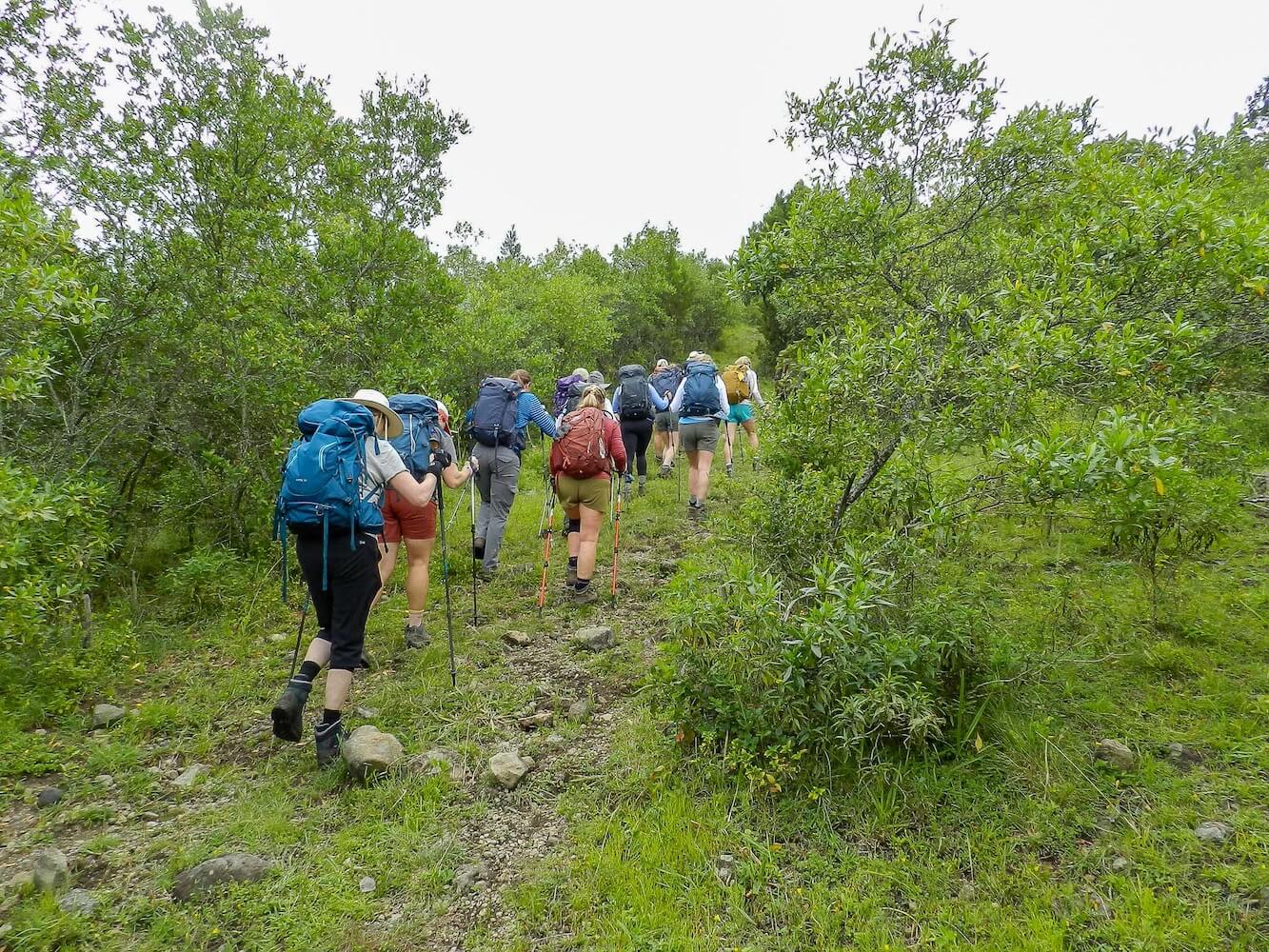
The Lemosho Route is often called the crown jewel of Kilimanjaro ascents a trail where nature unveils itself slowly, almost theatrically, as if aware of the lenses turned toward it. Beginning on the remote western flank, far from the crowded eastern approaches, the journey opens in cinematic calm: mist drifting through towering cedar and camphor trees, soft forest light breathing around you, and each step feeling like the first frame of a story worth capturing.
As the trail rises, the world widens. The forest dissolves into the vast Shira Plateau, where Kilimanjaro suddenly appears like a stone throne above sweeping volcanic plains. From there, heather moorlands, sculpted ridges, and crisp alpine air create an ever-changing gallery of contrasts until the summit zone delivers its final transformation. Having crossed rainforest, moorland, alpine desert, and arctic ice, you arrive at a mountaintop that feels like the culmination of an entire continent’s landscapes, each one more photogenic than the last.
Why Lemosho Route Is A Favourite For Photographic Opportunity
For photographers, Lemosho is not simply a trekking path it’s an ever-evolving canvas. Every day feels like stepping into a new chapter of a visual documentary. Photographers are drawn to the Lemosho Route because it offers time, space, and constantly shifting scenery that inspires creativity.
The western approach remains one of the least crowded entry points on the mountain, allowing climbers to capture sweeping landscapes free of human clutter. From the soft green hues of the rainforest to the golden glow of the plateau at sunset, the route provides a changing palette that suits every style of photography. Light behaves beautifully here, moving gently through trees in the lower zones, washing across grasslands in long horizontal strokes, and sharpening into crisp, high-altitude brilliance as climbers ascend.
Uncrowded Frames
Because Lemosho begins far away from the main routes, photographers enjoy wide, uninterrupted landscapes.
Shots of hikers silhouetted against the mountain or the vast plains feel clean and uncluttered, allowing the environment to speak for itself.
Daily Shifts in Ecosystem and Color Palette
Few routes showcase Kilimanjaro’s ecological diversity as beautifully as Lemosho. The rainforest’s deep emerald tones gradually fade into the silvergreens of moorland shrubs, then into the warm golds and browns of the Shira Plateau before arriving at the stark whites and icy blues of the summit glaciers.
Each stage gives photographers a fresh palette:
- Deep greens & soft shadows of the forest
- Misty blues & muted browns of the moorland
- Golden plains of the Shira Plateau
- Harsh, dramatic blacks of volcanic rock
- Frozen whites & brilliant skies of the summit
The Shira Plateau — A Dream for Wide-Angle Shots
This enormous plateau is one of the most photogenic locations on the entire mountain.
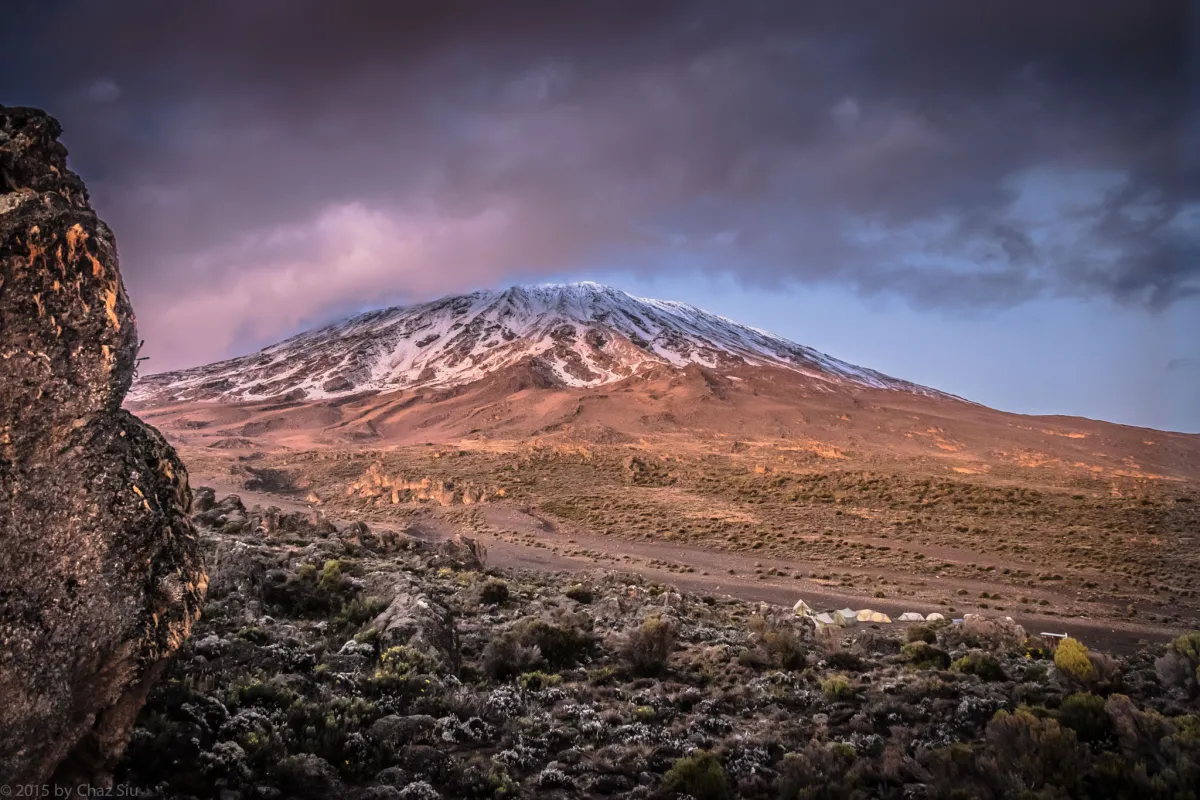
Here, you can capture Kilimanjaro’s full silhouette rising in the distance, with dramatic sweeping landscapes in the foreground. It’s the kind of place where even a simple snapshot looks like a magazine cover.
Wildlife Encounters in the Early Days
Colobus monkeys, antelopes, and rare forest birds can appear throughout the first day or two—ideal for photographers who enjoy blending wildlife and landscape imagery.
Route Duration — Standard Climbing Vs. Photographic Climbing
The Lemosho Route typically takes 7–8 days, but for photographers, the difference between these two options is significant.
Standard Duration (7–8 Days)
Most climbers choose the 8-day itinerary because:
- It allows the body to acclimatize more naturally
- It increases the summit success rate
- It provides a comfortable pace without excessive strain
Photographic Duration (Recommended: 8 Days Minimum)
For photographers, time is not just a logistical detail it’s part of the creative process.
An 8-day version offers:
- More opportunities for sunrise and sunset shots at various altitudes
- Time to pause and shoot instead of rushing from camp to camp
- Chance to wait for perfect lighting a huge advantage on moody weather days
- Less exhaustion, helping you stay energized enough to capture consistently
Photographic climbing is not about reaching the top as fast as possible it’s about arriving with a memory card full of visual stories, captured without stress or haste.
A Journey Through Five Distinct Climatic Zones
Each zone offers a unique visual identity:
Cultivation Zone (800–1,800 m)
Lush farmlands, villages, and foothills surrounding Kilimanjaro. Rich with crops, local life, and warm lowland climate
Rainforest Zone (1,800–2,800 m)
Dense, misty forest filled with towering trees, colobus monkeys, moss-covered branches, and filtered golden light one of the most photogenic sections.
Heather–Moorland Zone (2,800–4,000 m)
Open highlands with giant heathers, volcanic boulders, and dramatic valleys. The vegetation becomes shorter, and vistas open wide.
Alpine Desert Zone (4,000–5,000 m)
Harsh, lunar-like terrain with scattered rocks, deep shadows, and vast emptiness. Temperature swings are extreme but perfect for dramatic photography.
Arctic/Summit Zone (5,000–5,895 m)
Ice fields, glaciers, thin air, and dazzling sunlight. This is the final frozen world before Uhuru Peak raw, cold, and breathtaking.
Photographic Spots Along The Lemosho Route Photographers’ Favorites
Lemosho Glades
Your trek begins in lush forest, where golden morning rays filter through the canopy like natural spotlights. This is perfect for soft, moody, atmospheric photography.
Shira Plateau
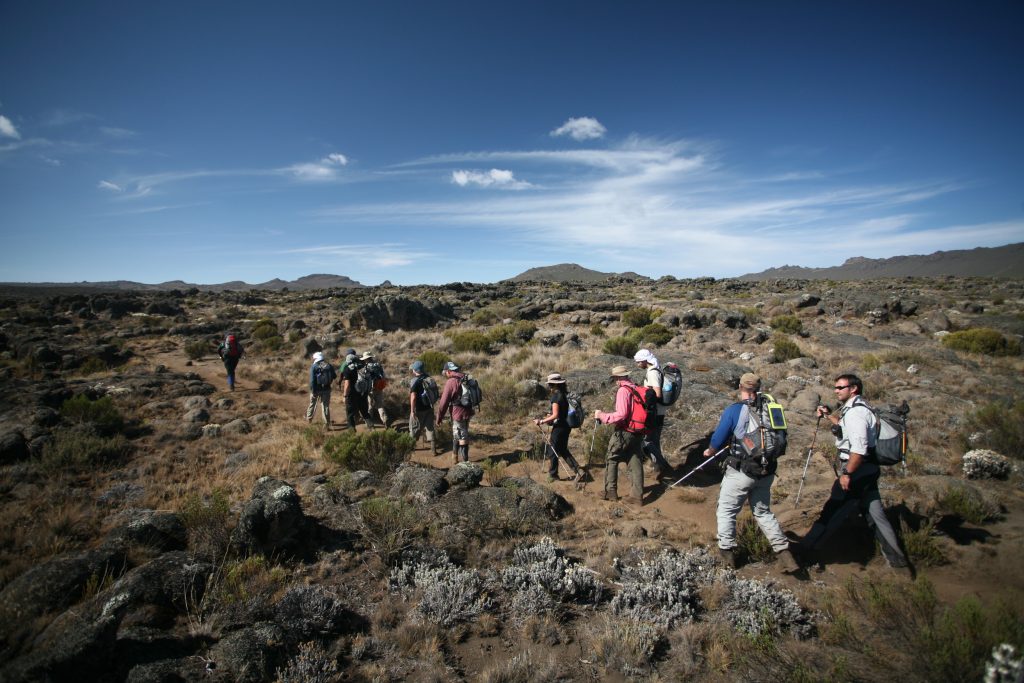
Once you rise above the trees, the world expands dramatically. The sweeping plains and the majestic view of Kilimanjaro’s peak offer endless possibilities for wide landscapes, silhouettes, and panoramic shots.
Cathedral Rocks
Sharp volcanic spires create natural leading lines that give your compositions depth and direction. It’s a playground for photographers who love geological drama.
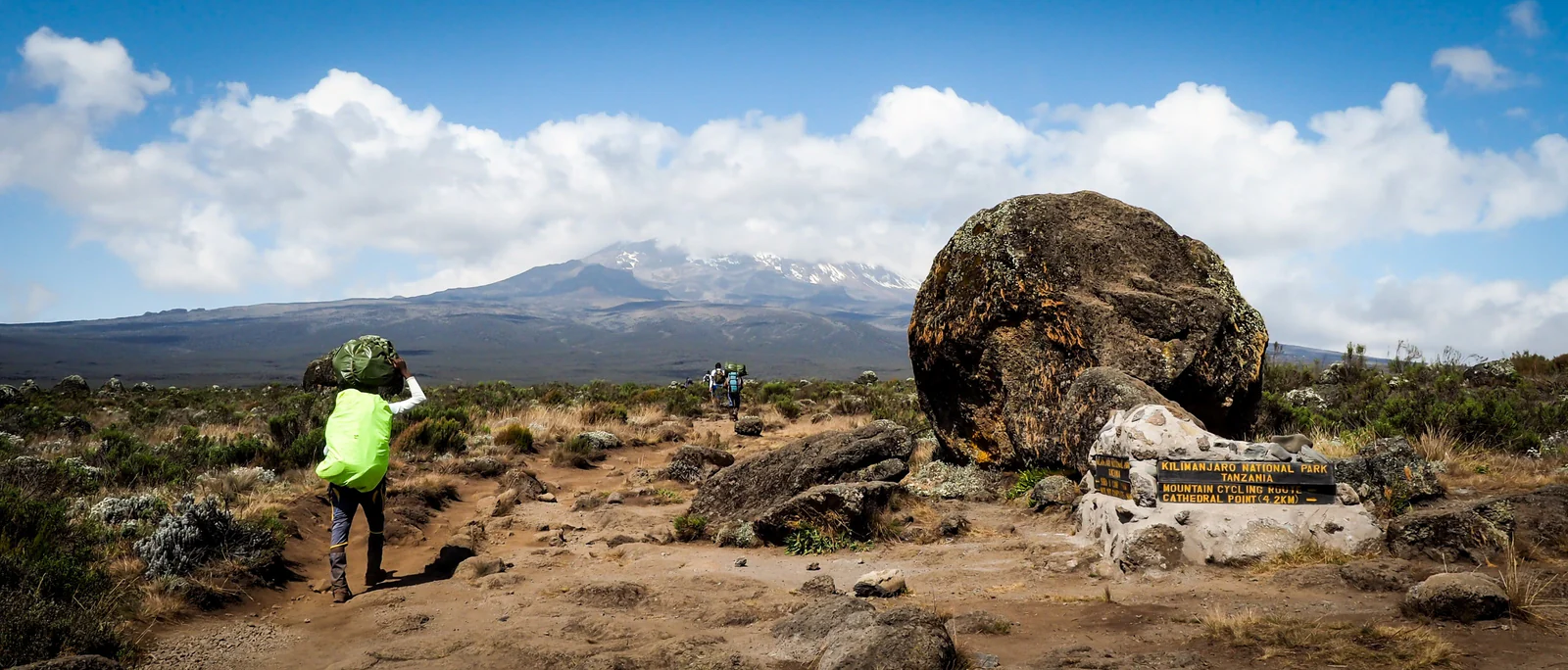
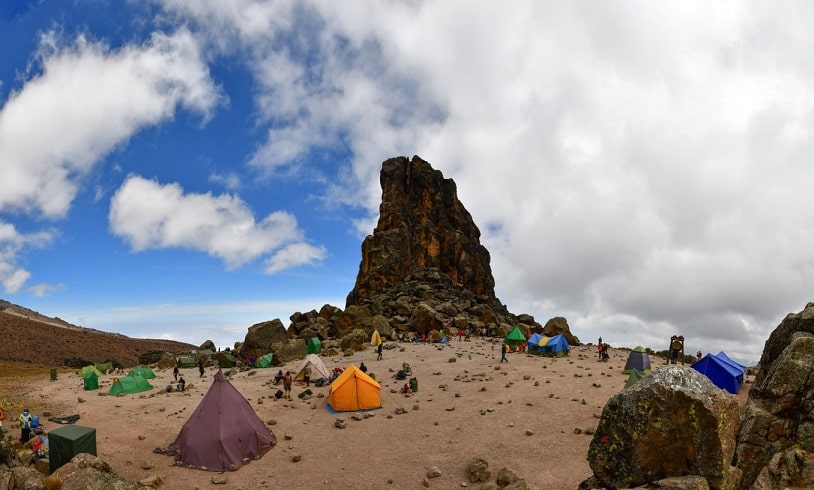
Lava Tower
Here, the landscape becomes otherworldly. The towering lava formation stands like a dark giant in a barren world a striking subject for minimalist and contrast-heavy photography.
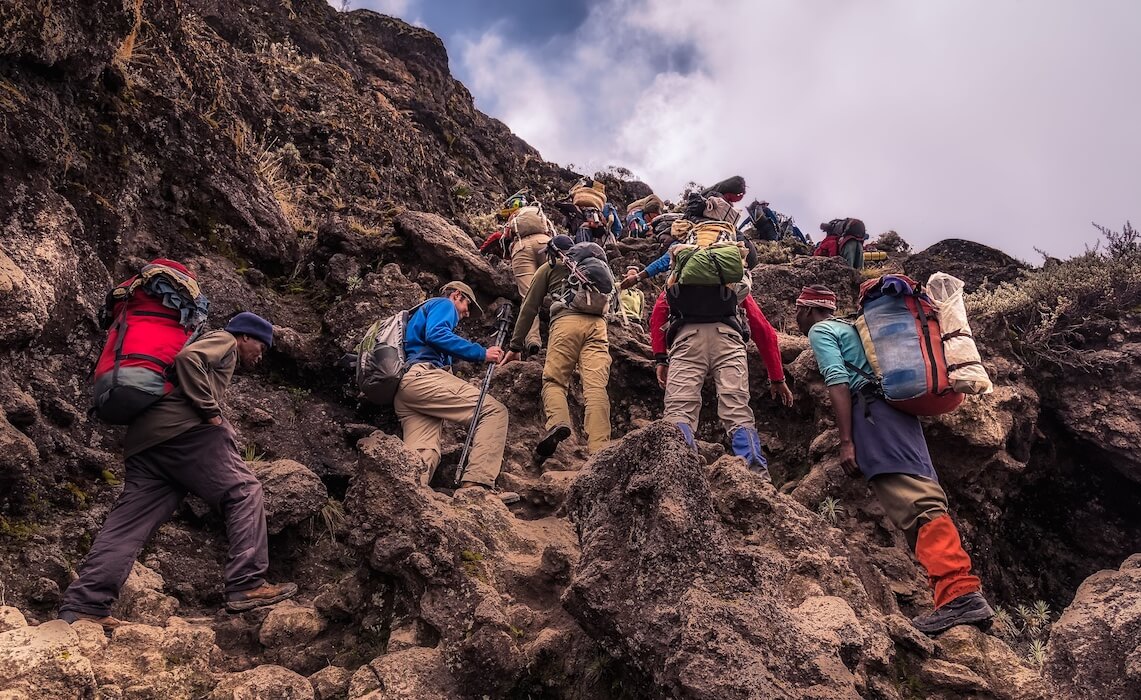
Barranco Wall
Arguably the most dramatic section, the Barranco Wall offers action shots of climbers scaling vertical terrain. The morning light often spills beautifully across the rock face, creating dynamic shadows.
Karanga Valley
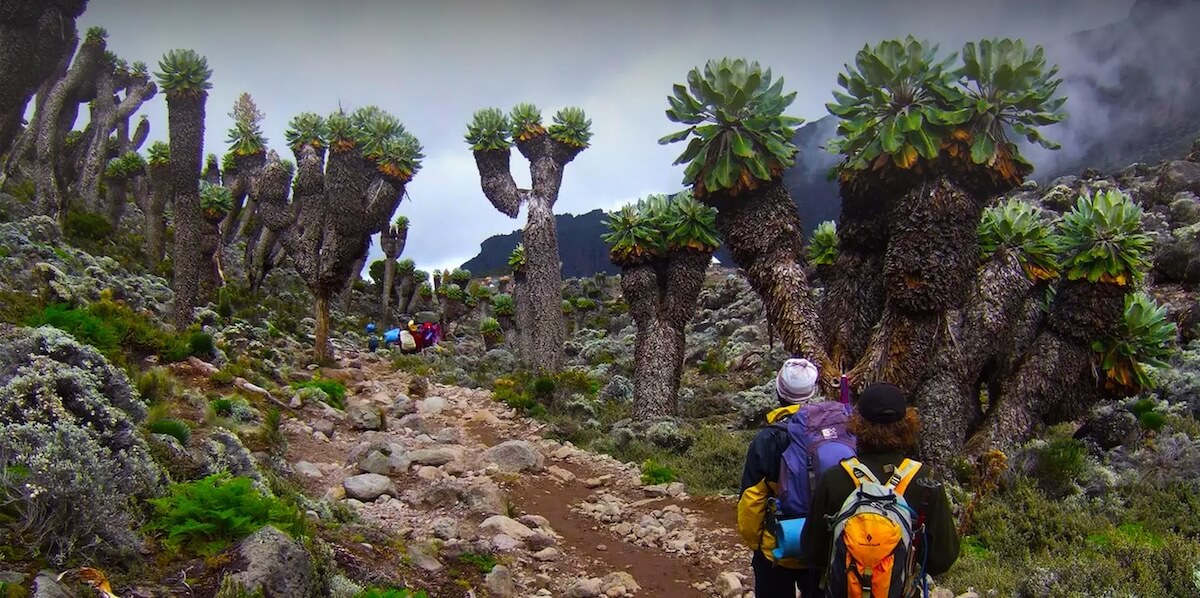
Gentle valleys, layered ridges, and lush patches of giant groundsels make this area a serene oasis for detailed, textured landscape photography.
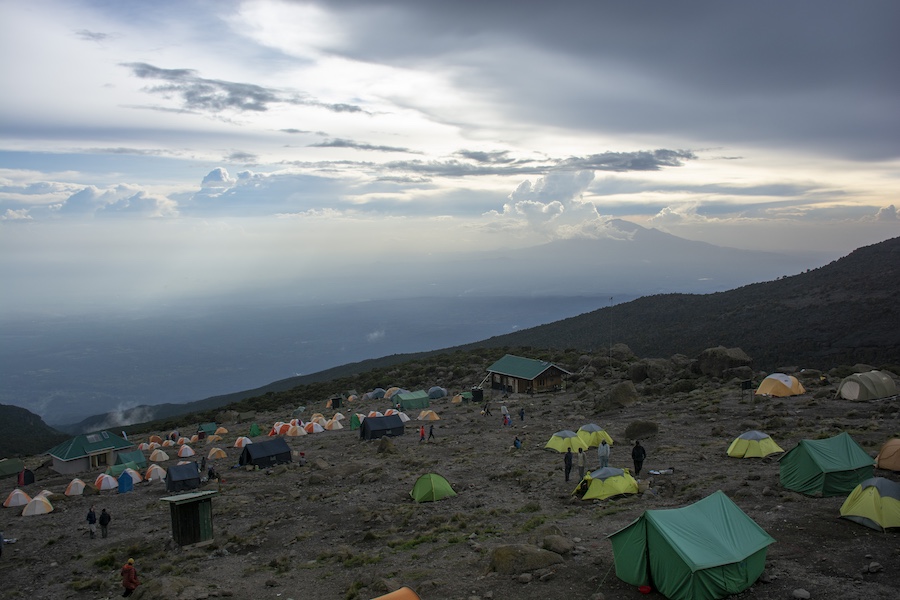
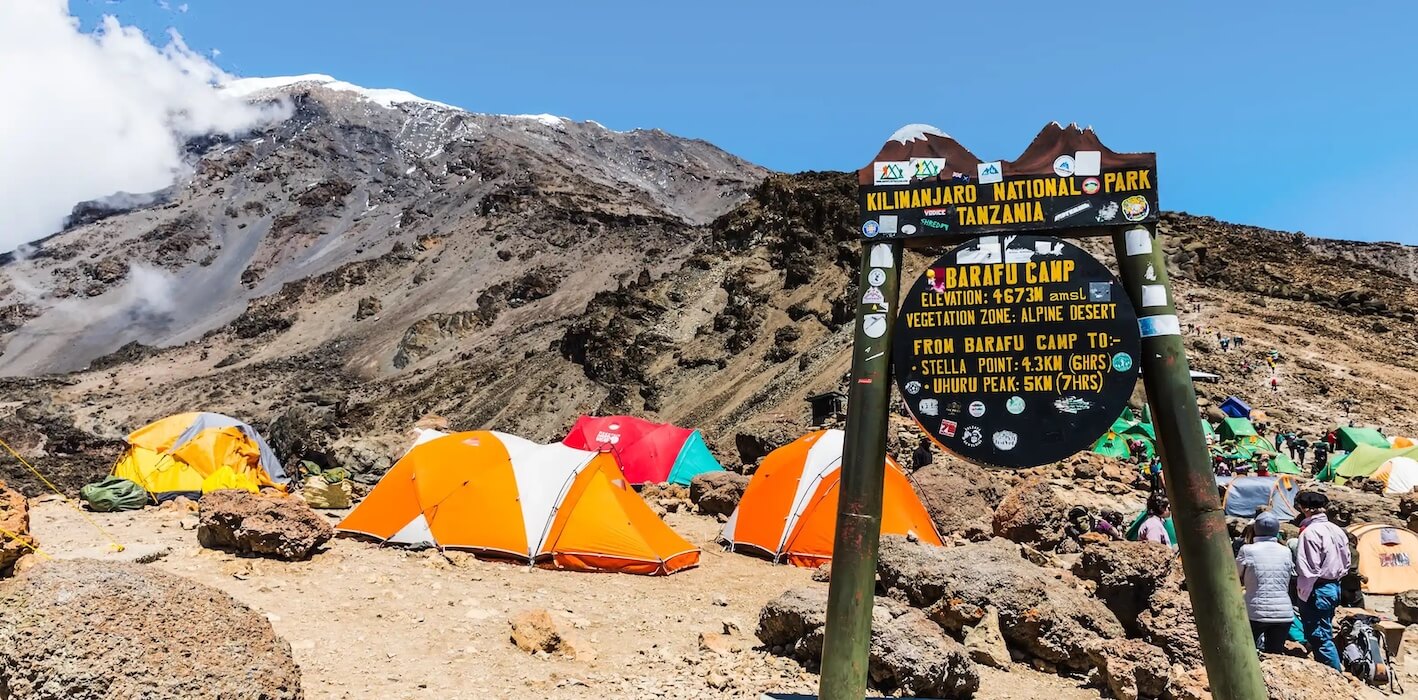
Barafu Camp
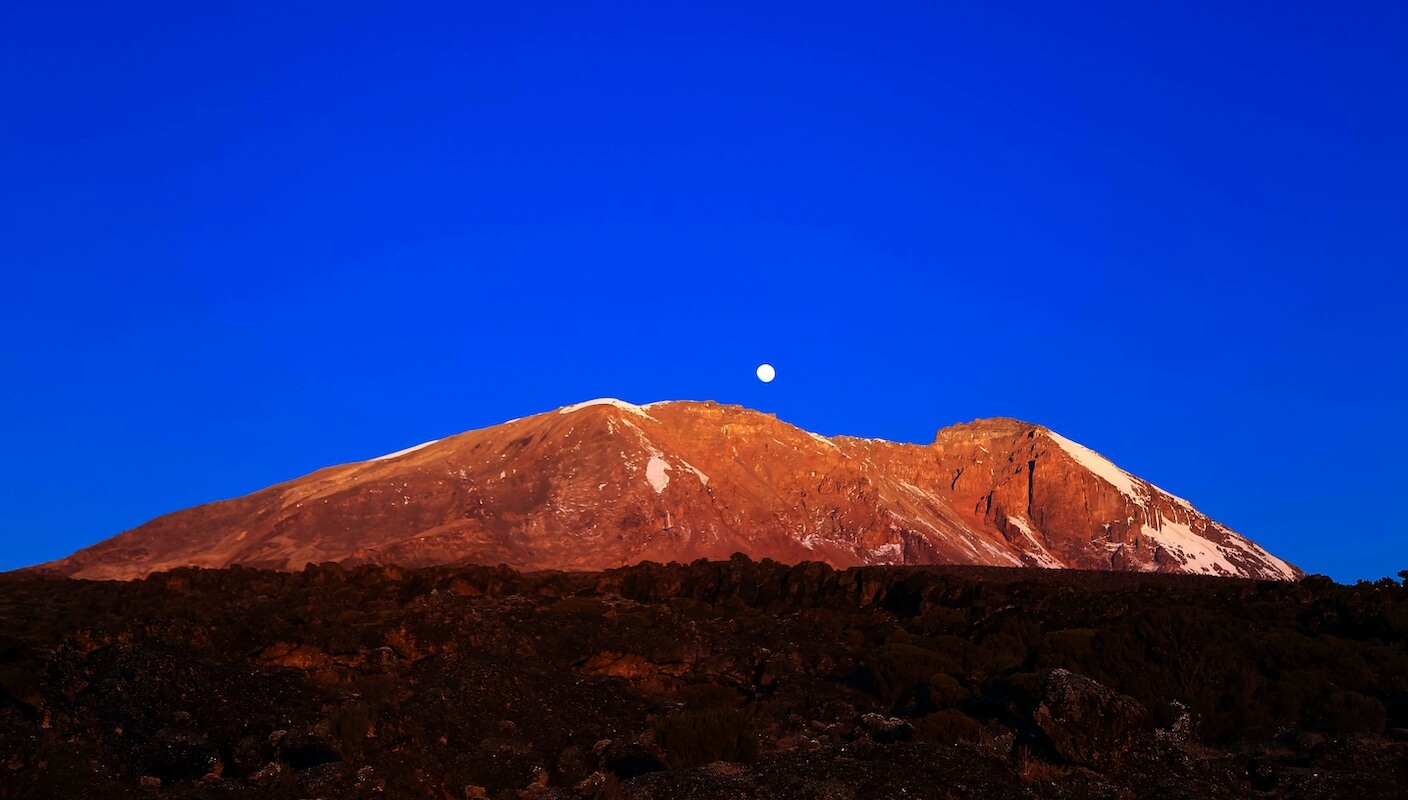
This high camp is perfect for astrophotography. With little light pollution and thin air, the Milky Way often appears bright and bold above the tents.
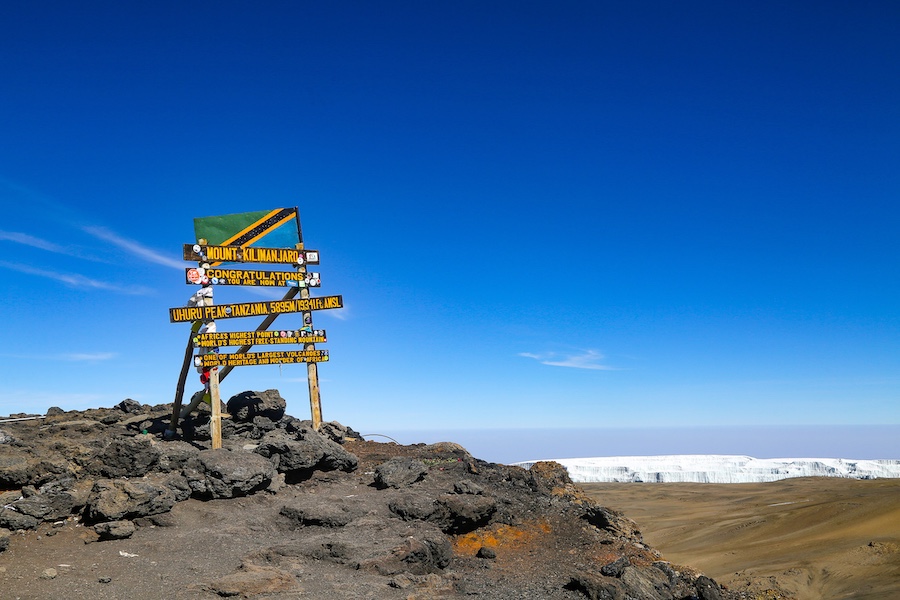
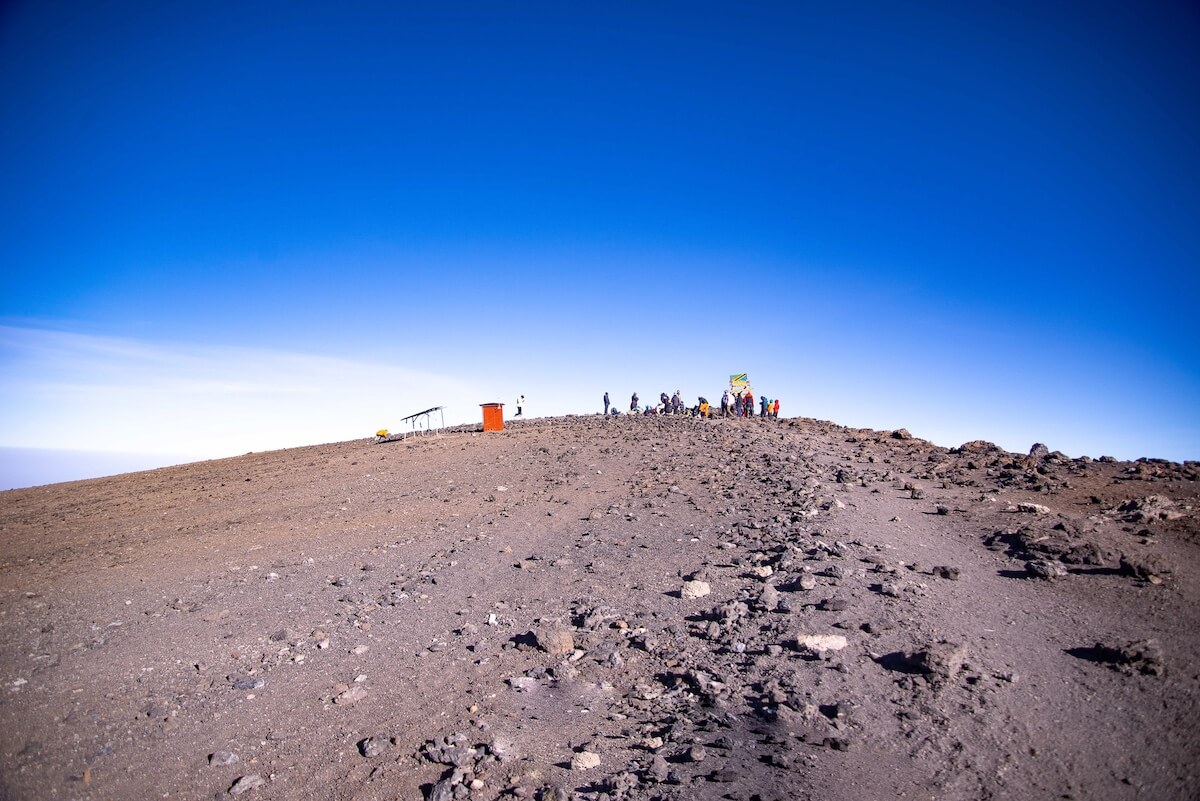
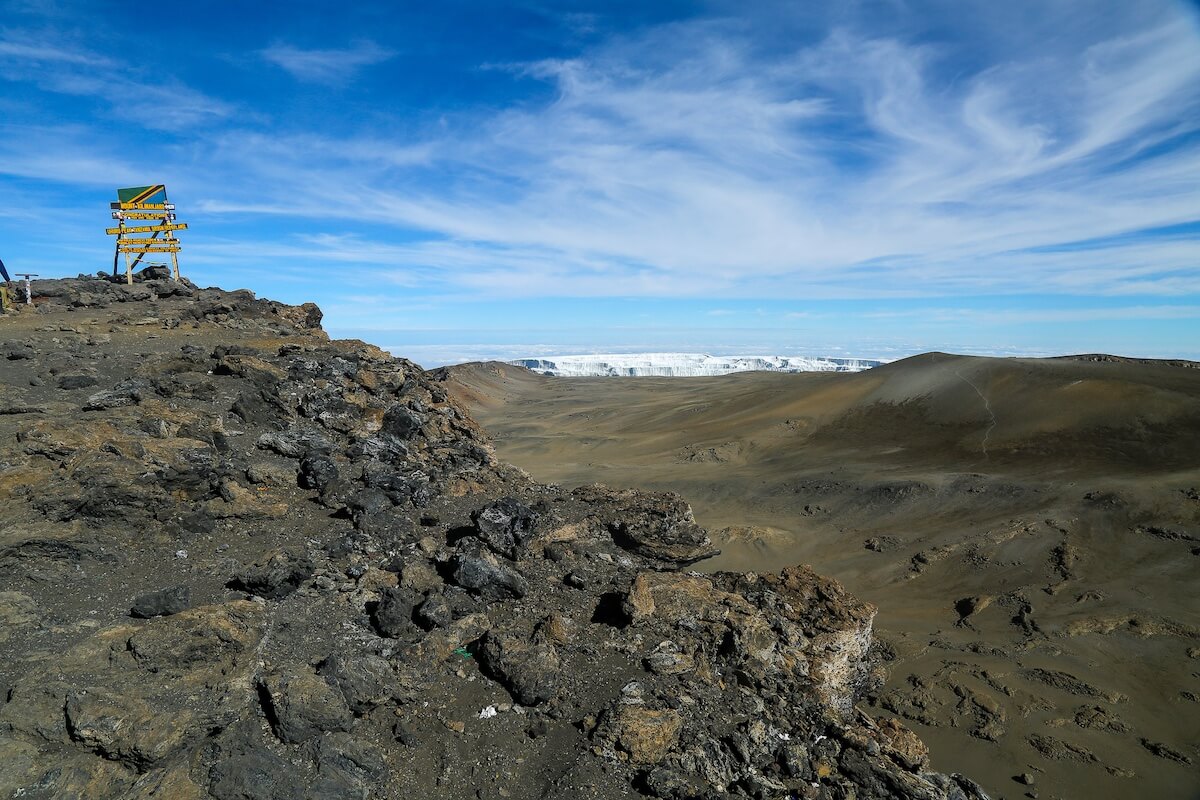
Uhuru Peak
The summit offers unbeatable photographic reward. The early morning glow, vast ice fields, and the world stretching endlessly below you make this one of the most iconic shots a photographer can capture.
Ready To capture the Unique Flavour of Africa
Talk to one of our travel specialists to tailormake Safari