

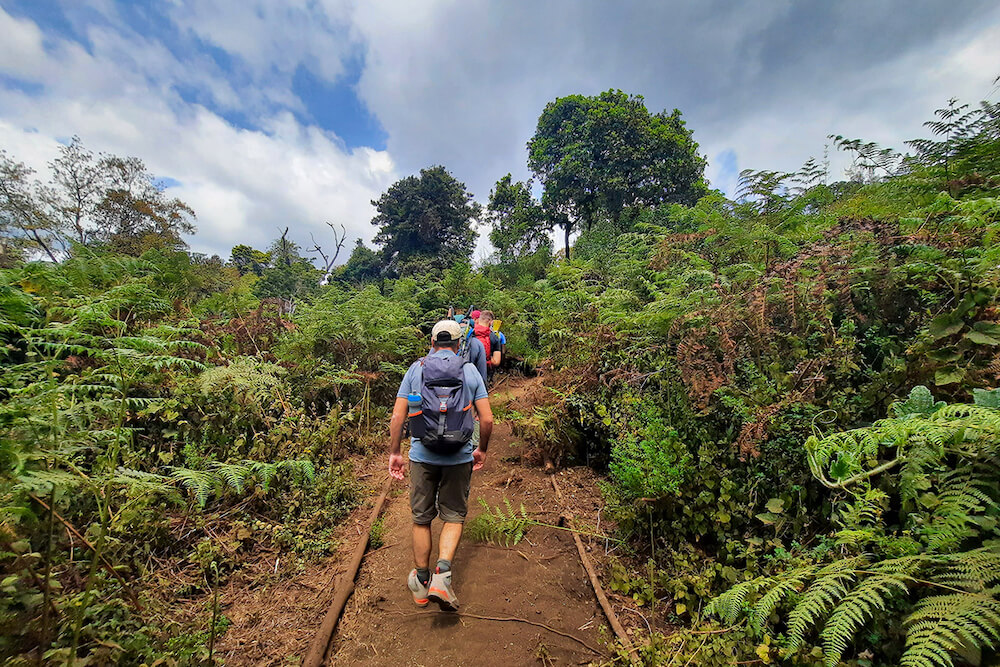
This zone is full of green moss, ferns, and misty air. The light is soft, and you often see birds and small animals, making it great for photos with depth and texture.
KilimanjaroMarangu Route
A Photographer’s Ascent Through Kilimanjaro’s Classic Eastern Passage
Let your lens discover new horizons
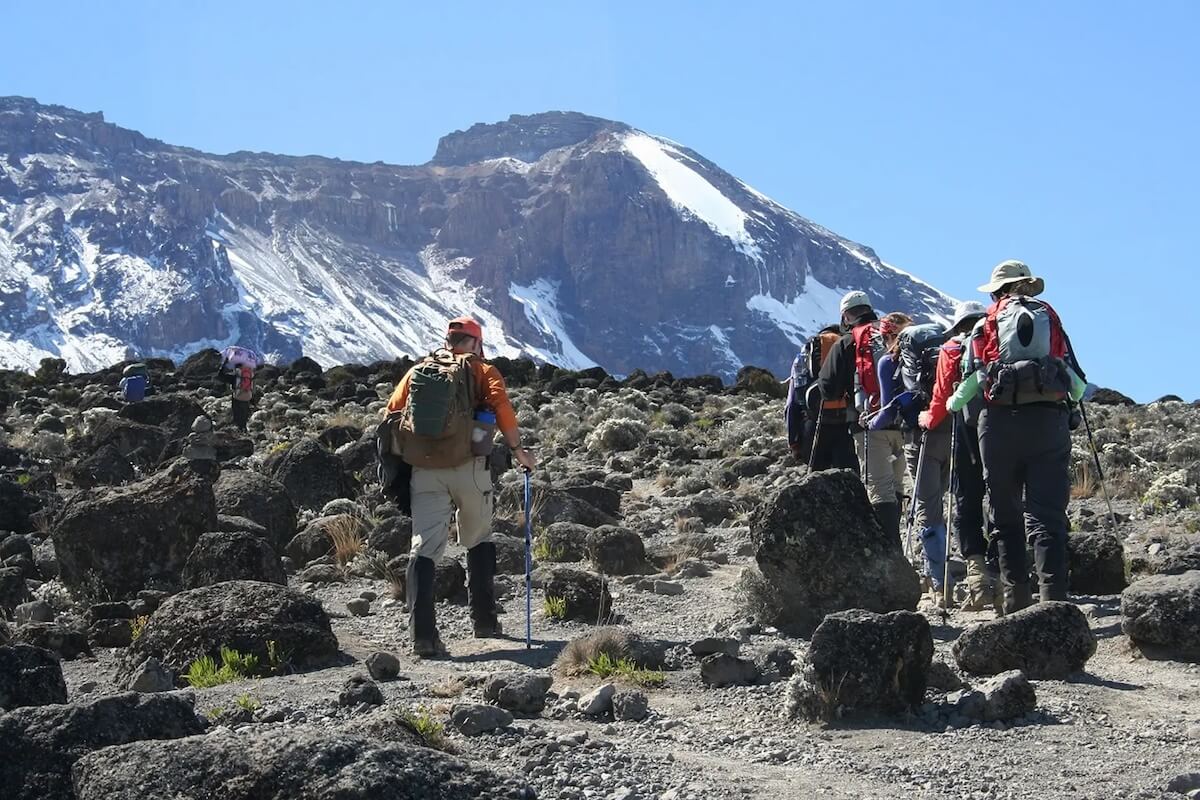
The Marangu Route often called the “Coca-Cola Route” is Kilimanjaro’s most historic and traditional path, but for photographers, it’s much more than a well-known trail. It’s a journey that blends comfort, culture, and striking visual contrasts. From the moment the trail enters the lush rainforest of the eastern side, the scenery reveals itself with a quiet, nostalgic charm: soft sunlight dripping through moss-covered trees, birdsong echoing in the stillness, and a sense of stepping into a timeless mountain story.
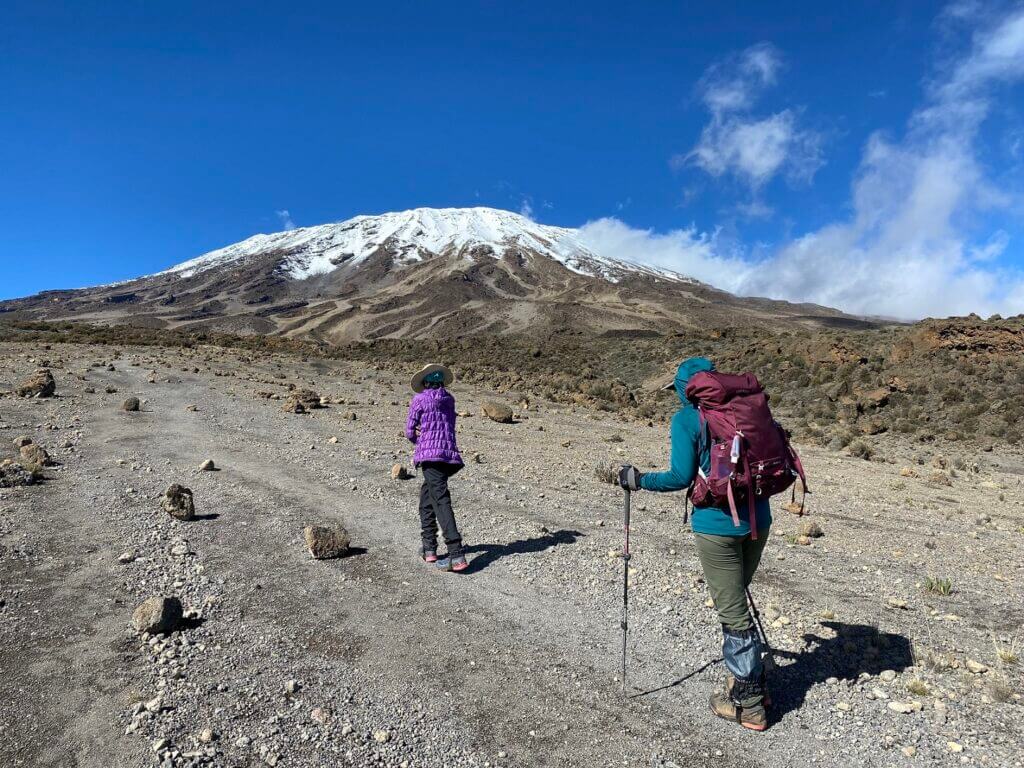
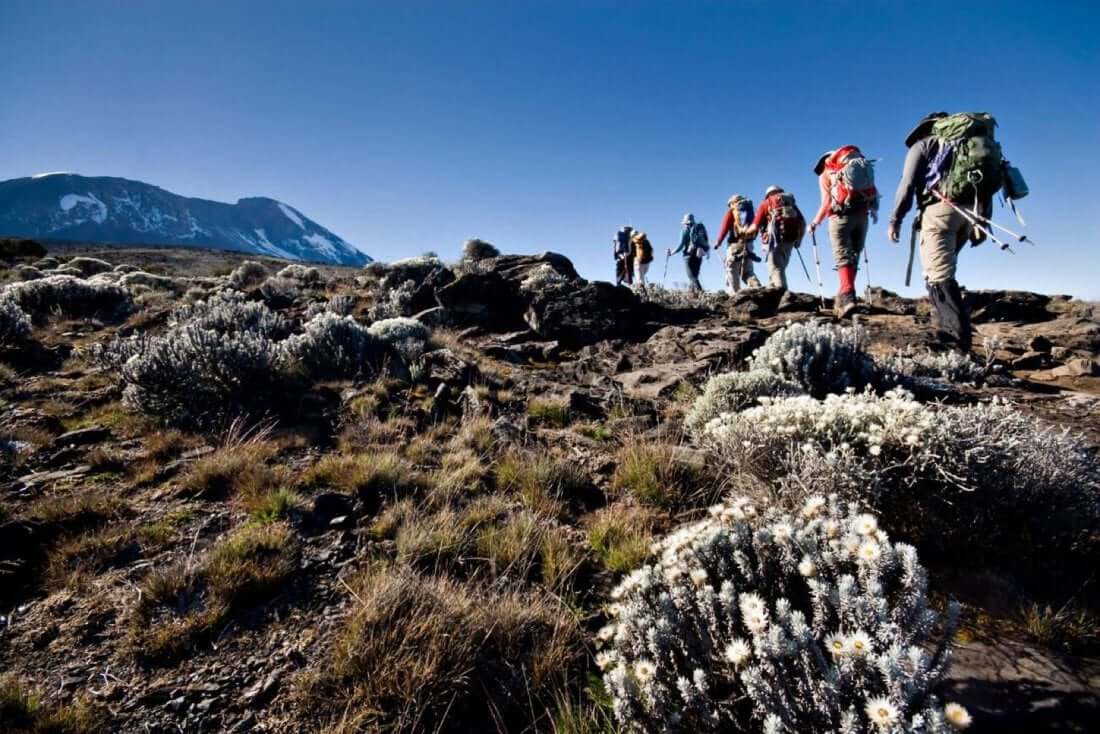
As the climb rises steadily, the forest opens into rolling moorlands, where giant heathers twist into sculptural shapes and the air grows crisp. Higher still, the route crosses the Saddle a vast, barren expanse of alpine desert stretching like a lunar plain between Mawenzi and Kibo peaks. This dramatic “valley of silence” offers some of the most unexpected and awe inspiring photography opportunities on Kilimanjaro.
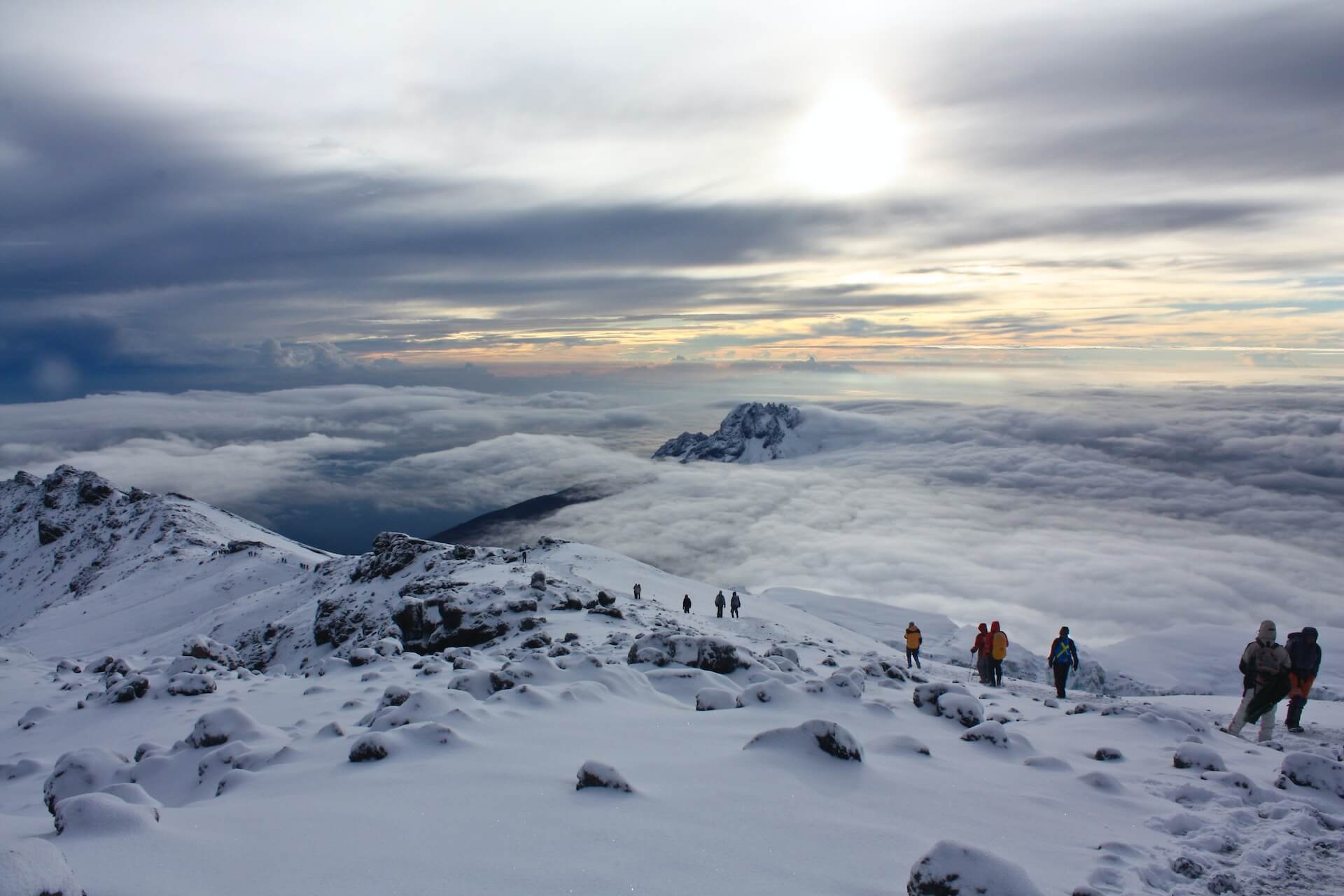
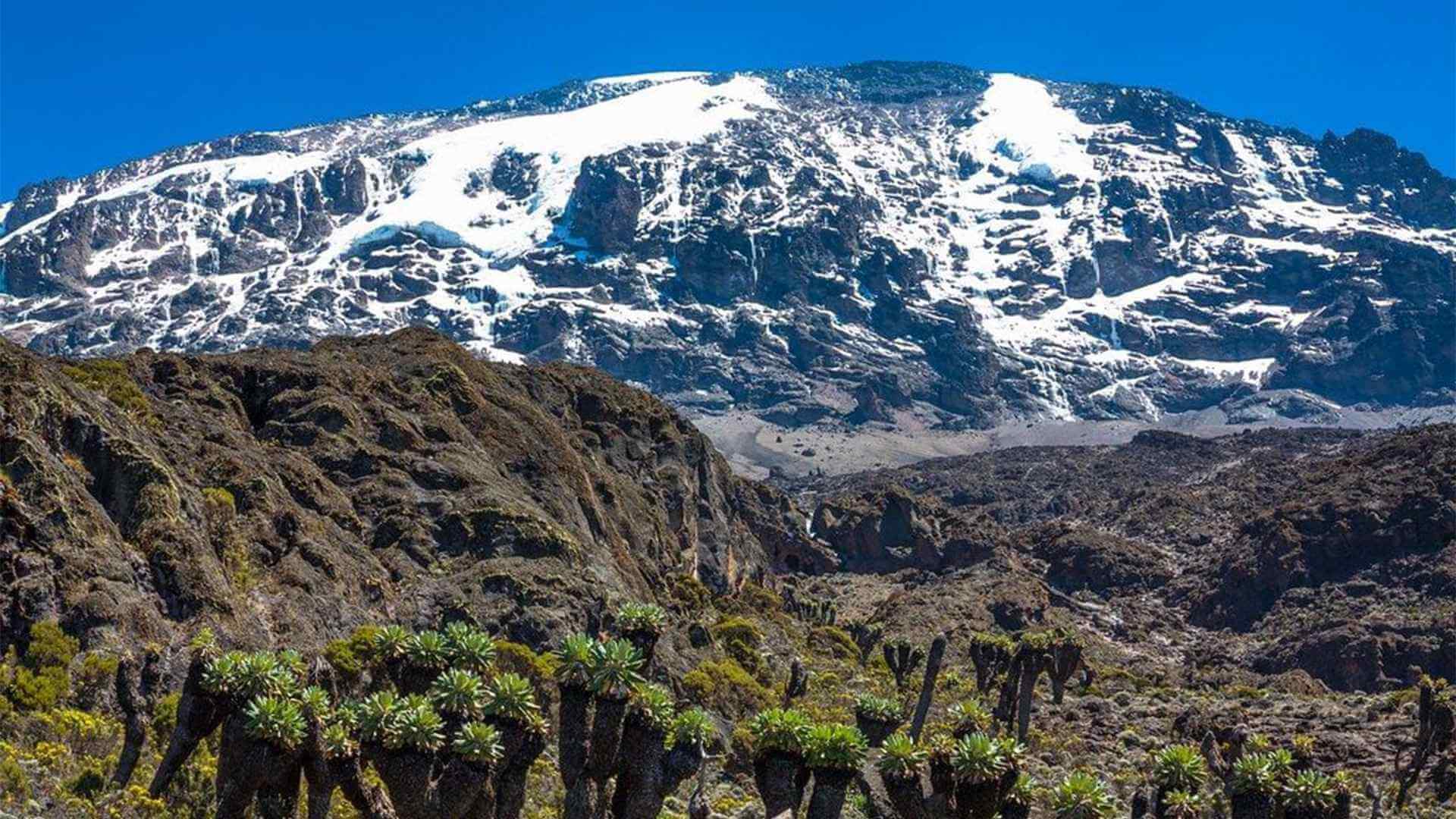
The final approach to Uhuru Peak delivers a high-altitude scene marked by glaciers, snowfields, and expansive skies an ending that feels like reaching the top of Africa through a journey of pure visual contrast and elegant simplicity.
WHY MARANGU ROUTE IS A FAVOURITE FOR PHOTOGRAPHIC OPPORTUNITY
For photographers, the Marangu Route is a blend of tradition, comfort, and visual diversity. It’s the only route with hut accommodation, allowing climbers to keep camera gear dry and protected an enormous advantage during long shooting days in variable weather.
Photographers appreciate Marangu’s steady ascent, classic scenery, and the chance to document landscapes that feel both accessible and powerful. From enchanted forests to stark open plains and icy summit slopes, the route offers a beautifully structured progression of scenery simple, clean, and full of opportunities to capture Kilimanjaro’s changing moods.
Consistent Light and Clear Forest Shots
Because Marangu begins in thick rainforest with stable weather patterns, the soft morning light filtering through the canopy creates atmospheric compositions mist, moss, depth, and rich greens that photograph beautifully.
Smooth, Gradual Ecosystem Transitions
The route climbs steadily, allowing photographers to see visible, gentle transitions in color and landscape:
- Deep greens of the rainforest
- Silvery heathers and earthy browns of the moorland
- Pale golds and dark volcanic tones of the Saddle
- Bright whites and icy blues at high altitude
The Saddle — A Unique, Otherworldly Landscape
The vast alpine desert between Mawenzi and Kibo is one of Marangu’s highlights.
With Mawenzi’s jagged black silhouette on one side and Kibo’s smooth icy dome on the other, photographers find:
- Minimalist compositions
- Long leading lines
- Endless horizon shots
- Dramatic contrasts
Hut Accommodation Helps Protect Gear
Marangu is the only route with huts instead of tents. This matters because:
- Cameras stay dry
- Batteries remain warmer (better battery life)
- Night shooting is easier and more comfortable
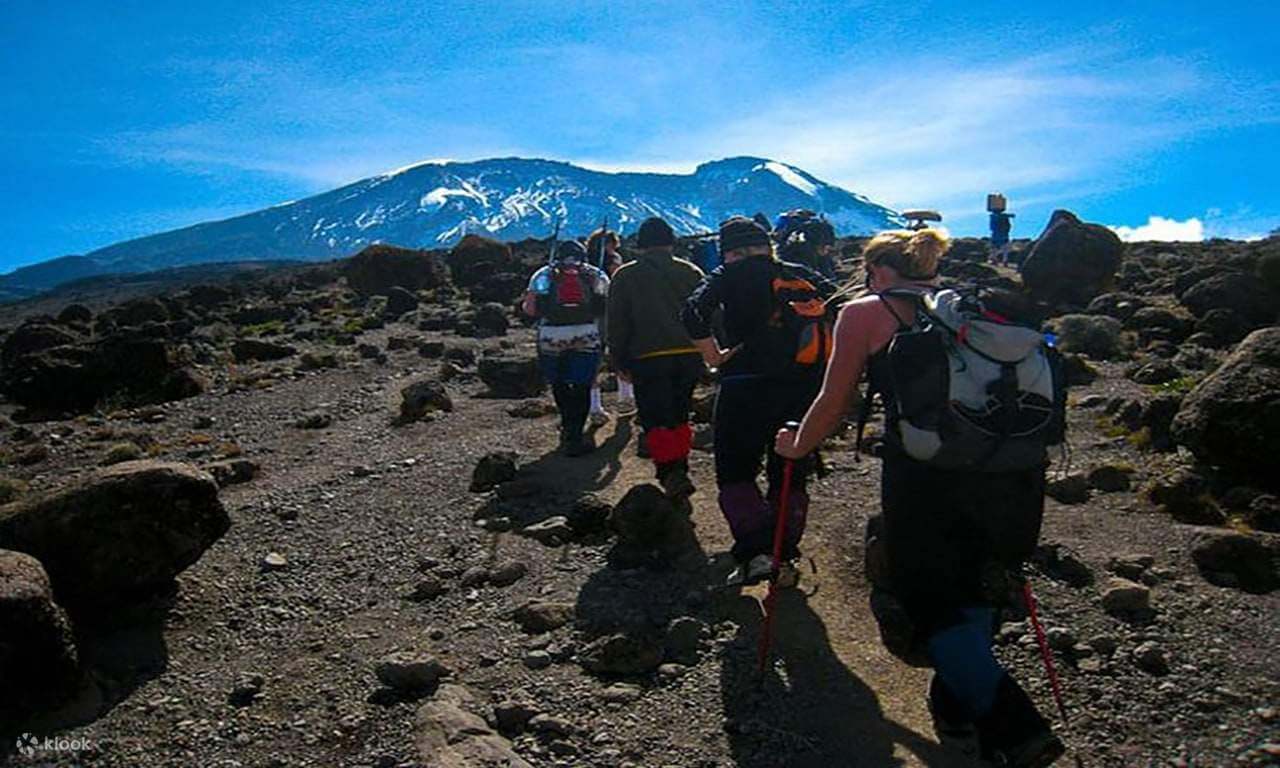
Route Duration — Standard Climbing Vs. Photographic Climbing
The Marangu Route traditionally takes 5–6 days, but this is often rushed for photographers.
Standard Duration (5-6 Days)
Most climbers choose:
- 5-day (fastest, but difficult)
- 6-day (more acclimatization, higher success rate)
Photographic Duration (Recommended: 6 Days Minimum)
For photographers, the 6-day option is far better because it allows:
- More sunrise and sunset opportunities
- Time to shoot in the forest, moorland, and Saddle without rushing
- More rest, meaning better energy and steadier hands for shooting
- Time to wait out moody or shifting weather
A Journey Through Five Distinct Climatic Zones
Each zone offers a unique visual identity:
Rainforest
Heather & Moorland
Here you find giant heathers shaped by the wind, open hills with wide views, and clear skies with strong morning light.
The Saddle (Alpine Desert)
This is a huge, empty plain between Mawenzi and Kibo. The land looks simple and dramatic, with strong contrasts.
High Alpine Zone
This area has sharp volcanic rocks, bold colors, and deep shadows. The rough ground looks especially beautiful in the morning light.
Arctic Summit Zone
Near the top, you see snowfields, glaciers, and very wide horizons. Bright white ice stands out clearly against the deep blue sky.
Photographic Spots Along The Marangu Route Photographers’ Favorites
Mandara Huts
As the first overnight stop nestled in the heart of the forest, Mandara Huts are perfect for capturing misty sunrises, rich forest textures, and soft, dreamy compositions that evoke the quiet magic of the rainforest.
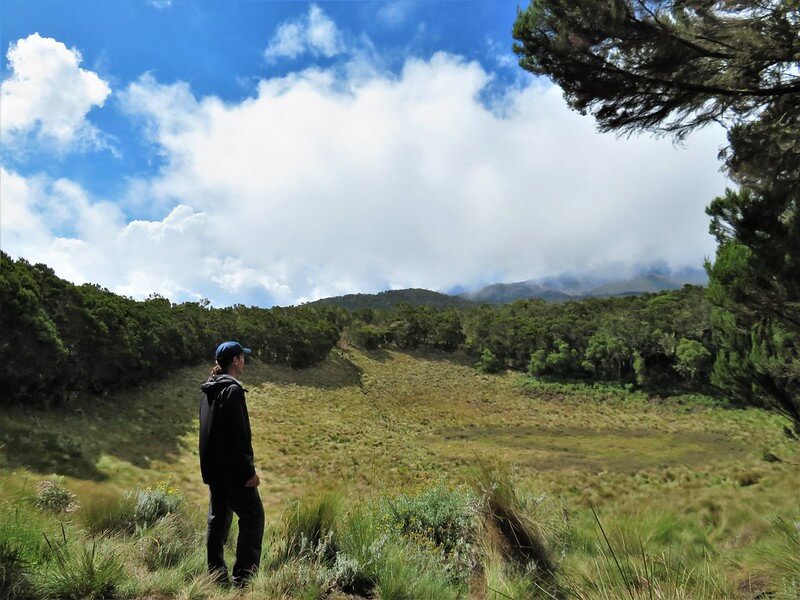
Maundi Crater
A short detour leads to Maundi Crater, where photographers can enjoy wide views extending into Kenya, lush crater vegetation, and striking early morning silhouettes. This spot is a must-visit for its unique and memorable photographic opportunities.
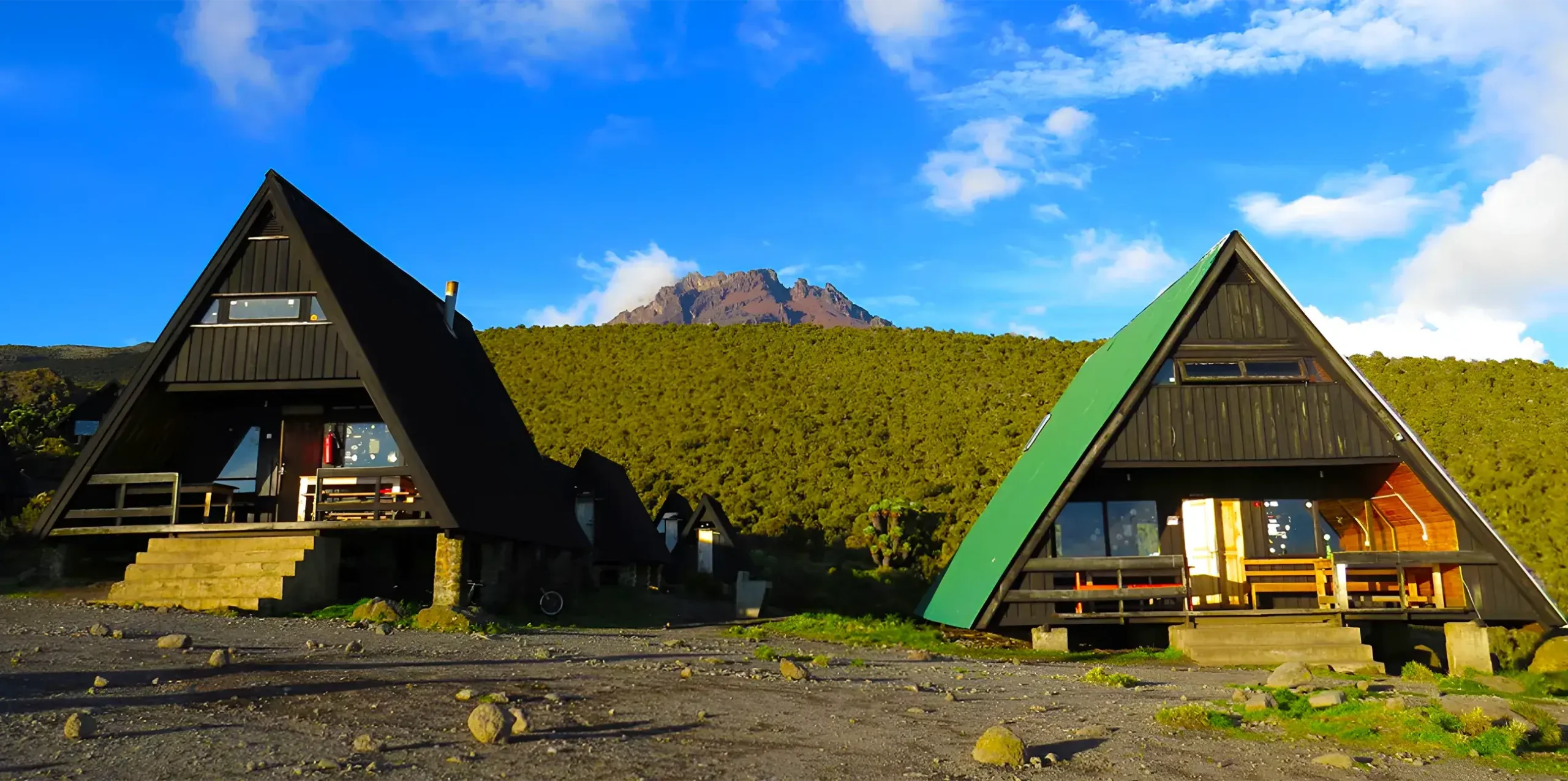
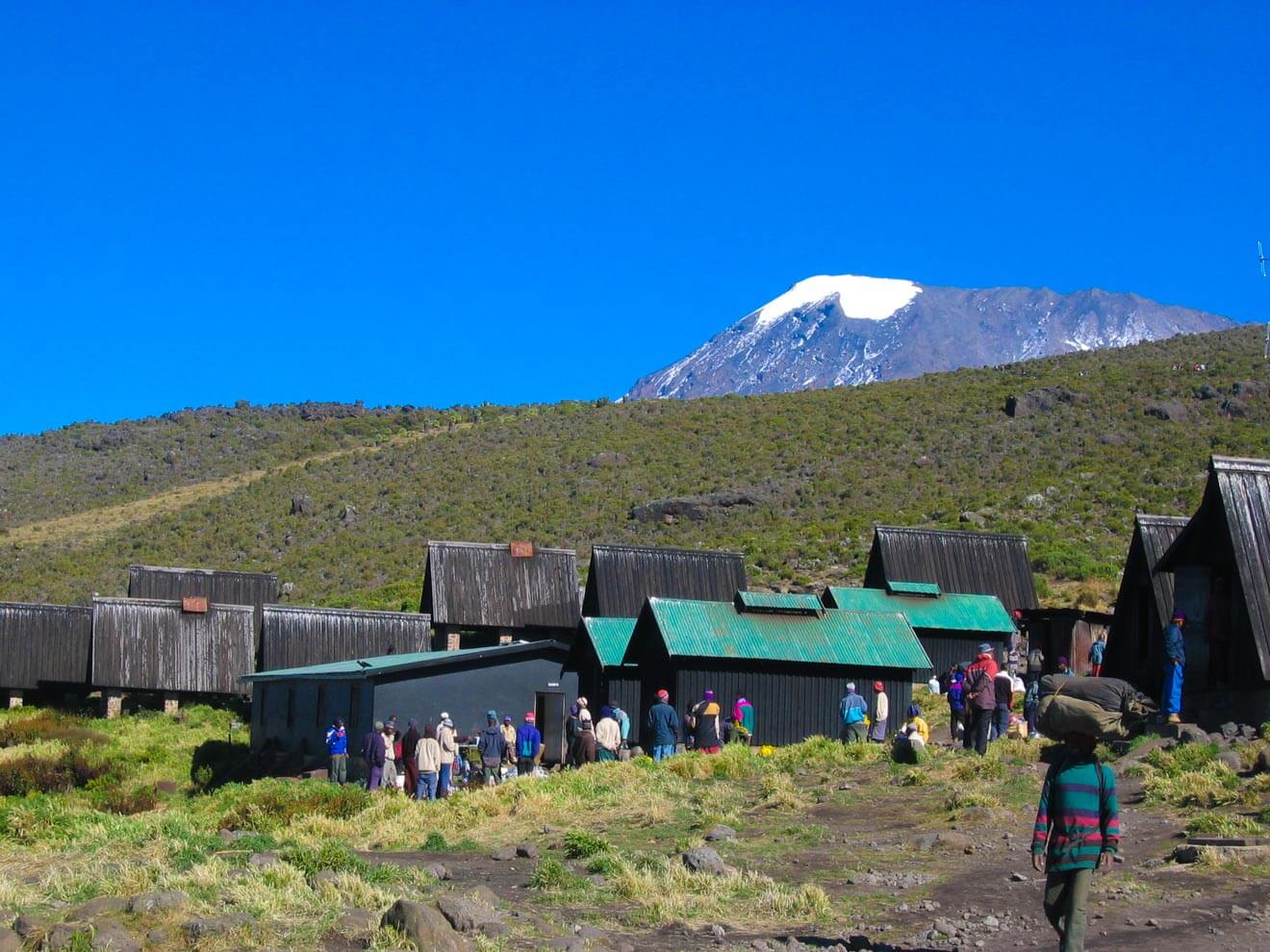
Horombo Huts
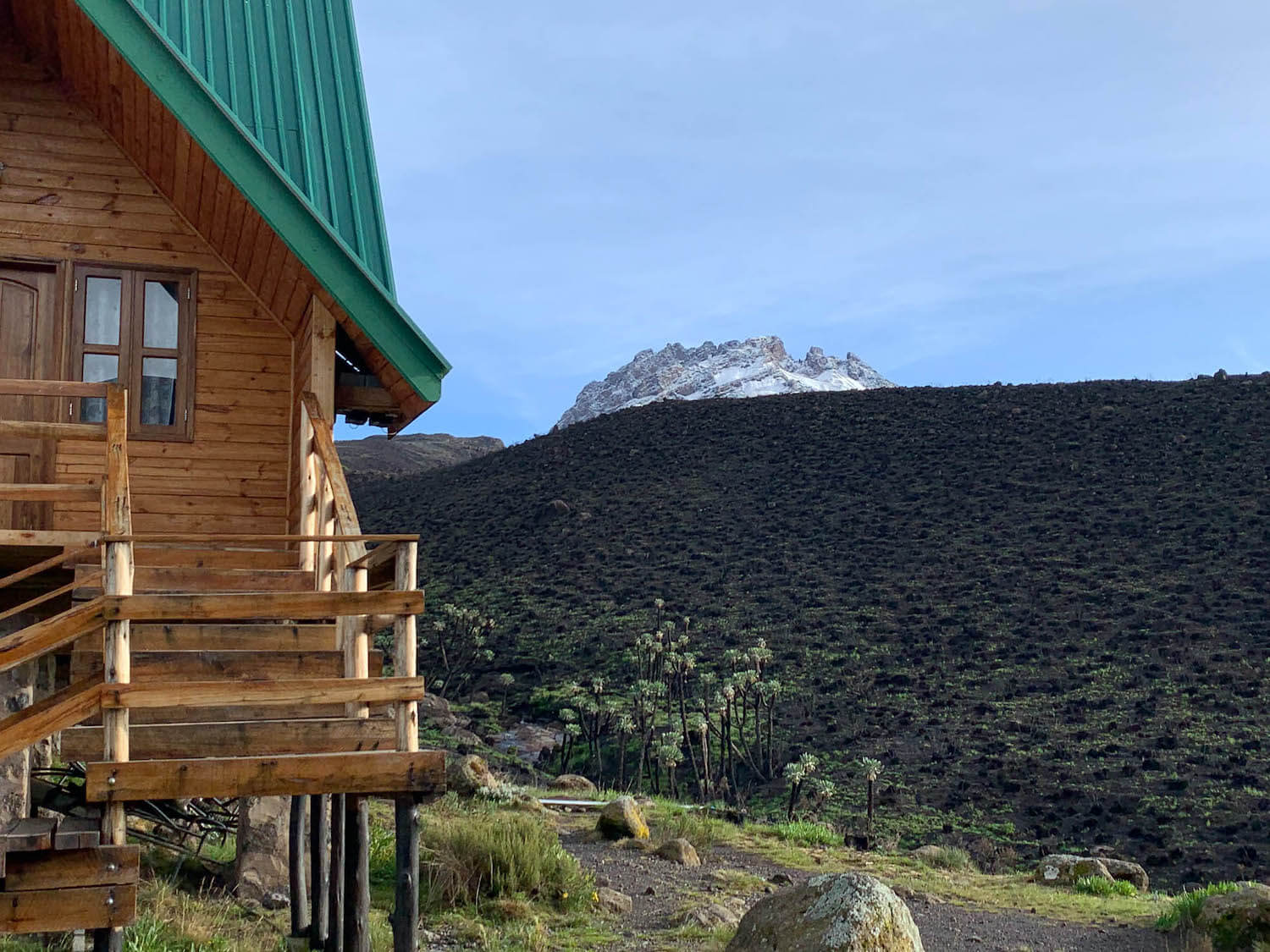
Perched on open moorland, Horombo Huts offer dramatic sunsets over the plains and clear views of both Mawenzi and Kibo. The area is ideal for night photography, making it a scenic rest point with a huge variety of photographic opportunities.
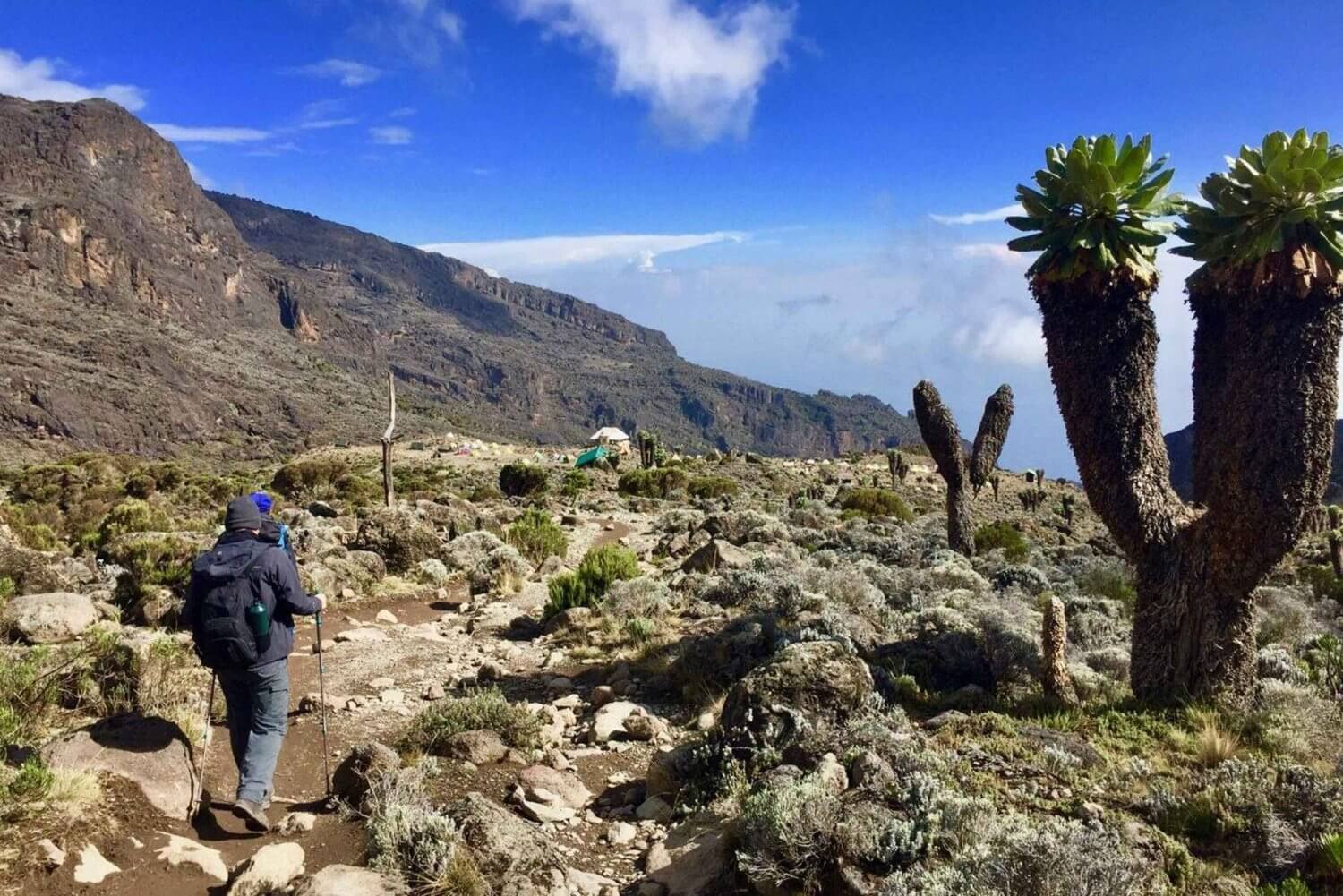
The Saddle
Stretching as a surreal alpine desert for kilometers, the Saddle is perfect for minimalist compositions, long-distance perspective shots, and dramatic portraits of hikers set against the vast, sweeping landscape.
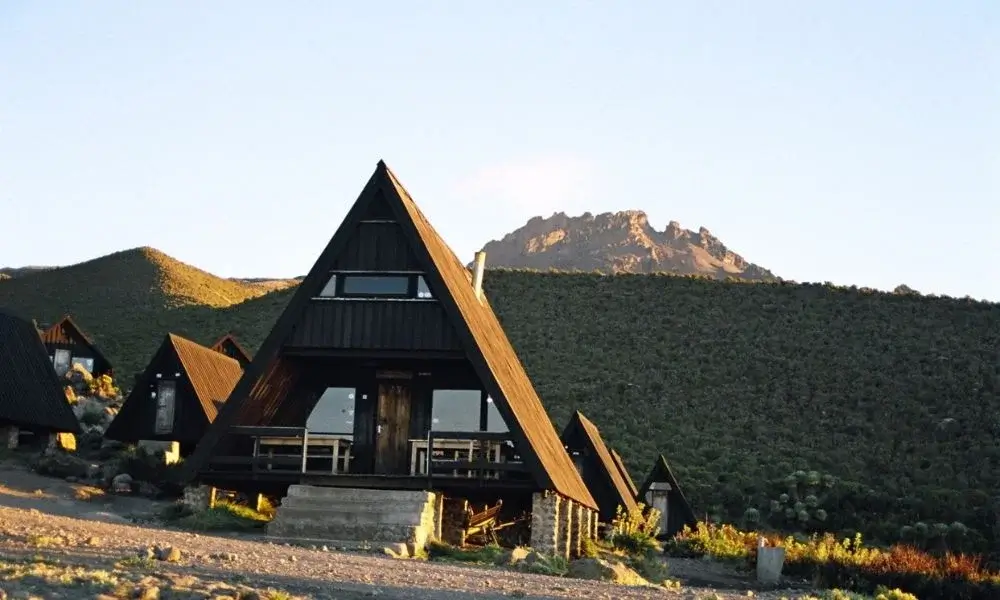
Kibo Huts
As the base camp below the summit, Kibo Huts provide excellent opportunities for high-altitude night photography. Starscapes and Milky Way shots come alive here, and the glowing silhouette of Mawenzi at dawn creates unforgettable images.
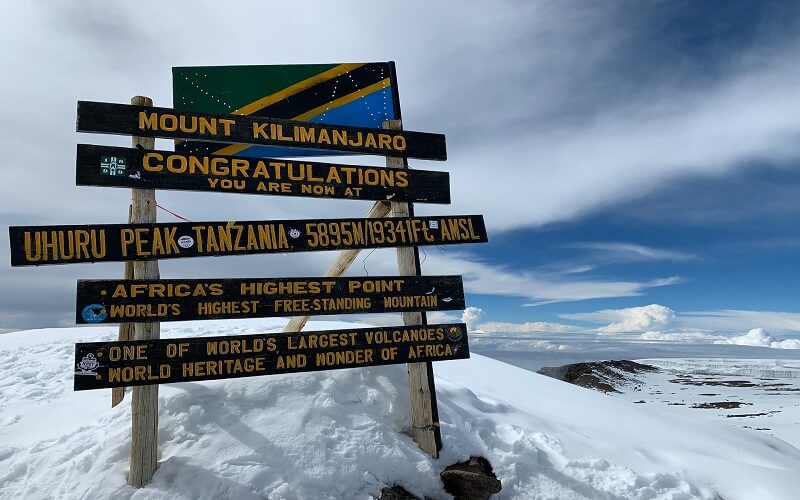
Uhuru Peak
The summit, Uhuru Peak, is the crown of the climb, offering pure white snow, the ethereal blue light of glaciers, and sunrise glow touching the horizon. It presents the perfect final shot to complete a classic Kilimanjaro photographic story.
Ready To capture the Unique Flavour of Africa
Talk to one of our travel specialists to tailormake Safari